
Historical Significance and Modern Relevance
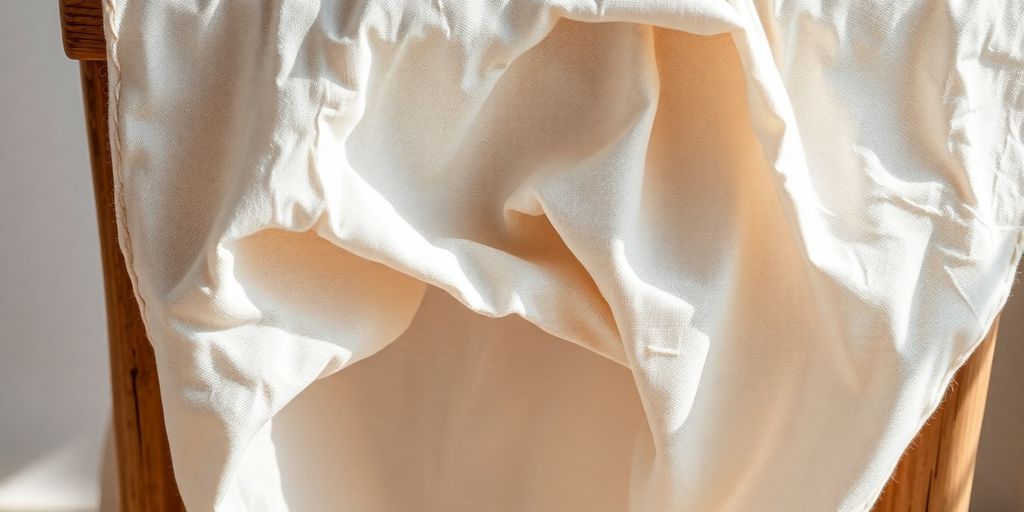
Linen has been around for ages, like, ages. We’re talking thousands of years. It’s not just some trendy new thing; it’s got serious roots. From ancient Egyptians using it for burial cloths to modern designers featuring it in high-end collections, linen’s appeal has proven remarkably resilient. It’s interesting how something so old can still feel so fresh and relevant today. You see it everywhere now, from clothing to bed covers, and it’s not hard to see why.
Global Consumption and Niche Market Position
Okay, so linen might not be the biggest player in the fabric world – it accounts for a small percentage of global apparel fiber consumption. But that’s part of its charm, right? It’s a bit niche, a bit special. It’s not mass-produced in the same way as cotton or synthetics. This gives it a certain cachet. People who choose linen often do so deliberately, appreciating its unique qualities and the story behind it. It’s a conscious choice, a statement, and that’s pretty cool. It’s like opting for a small-batch artisanal product over something mass-market. Here’s a quick look at its market position:
- Exclusivity: Often associated with higher-end products.
- Sustainability: Growing interest due to its eco-friendly nature.
- Versatility: Used in apparel, home textiles, and industrial applications.
Defining Characteristics of Linen Fibers
So, what makes linen linen? It all comes down to the flax plant. The fibers are strong, absorbent, and naturally lustrous. They’re also a bit stiff, which is why linen tends to wrinkle – but that’s part of its character! Unlike cotton, linen fibers are longer and smoother, giving the fabric its distinctive texture and drape. The inherent properties of flax contribute significantly to linen’s overall performance and aesthetic. Plus, it’s breathable, which makes it awesome for warm weather. It’s a natural fiber, so it feels good against the skin. It’s just a really nice fabric, all around. It’s also worth noting that linen fabrics wrinkle easily, which is a characteristic some people love and others hate.
Assessing the Environmental Footprint of Linen Production
Linen, often touted as an eco-friendly fabric, has a more complex environmental story than you might think. It’s not all sunshine and sustainable practices; there are definitely some shadows to consider when looking at its overall impact.
Cultivation Practices and Resource Demands
Flax, the plant linen comes from, generally needs fewer pesticides and fertilizers compared to cotton. That’s a win! However, the specific farming methods really matter. Conventional flax farming can still involve the use of chemicals, which can impact soil and water quality. Organic flax cultivation is the gold standard, minimizing these negative effects. Also, while flax needs less water than cotton, it’s not entirely water-free. Irrigation might be necessary depending on the region and climate. The good news is that flax is often grown in areas with naturally high rainfall, reducing the need for extensive irrigation systems.
Processing Methods and Chemical Usage
The process of turning flax fibers into linen fabric can be pretty energy-intensive. Retting, which separates the fibers from the stalk, can be done naturally (dew retting) or chemically. Chemical retting is faster but uses harsh chemicals that can pollute waterways. Even mechanical processing, while better than chemical, requires energy for machinery. Scouring and bleaching, often used to whiten the fabric, can also involve chemicals. Choosing linen that’s been processed using more eco-friendly methods, like enzyme retting or natural dyes, can make a big difference. It’s worth looking into Polyester Linen Sofa Fabric LDM806 to understand the material composition.
Comparative Sustainability with Other Natural Fibers
When you stack linen up against other natural fibers like cotton, it often comes out ahead in terms of water usage and pesticide use. But it’s not a clear victory across the board. For example, hemp is another strong contender for sustainable fabric, often requiring even less water and pesticides than flax. The key is to look at the entire life cycle of each fabric, from cultivation to processing to disposal, to get a true sense of its environmental impact. A life-cycle assessment can help determine the carbon emission. Also, consider these points:
- Energy Consumption: Linen production can be energy-intensive, especially during processing.
- Waste Generation: The textile industry is almost linear, with 97% of the input being new resource.
- Transportation: Shipping linen around the world adds to its carbon footprint.
Evaluating the Durability and Longevity of Linen
Okay, so let’s talk about how long linen actually lasts. I mean, we all want clothes that don’t fall apart after a few washes, right? Linen has a reputation for being tough, but is it really?
Inherent Strength of Flax Fibers
Linen comes from flax, and flax fibers are naturally pretty strong. Think of it like this: flax is the sturdy foundation that gives linen its backbone. It’s not like some flimsy material that’s going to tear at the slightest tug. But, just because the fibers are strong doesn’t automatically mean every linen shirt is going to last forever. It’s more complicated than that.
Impact of Weave and Finish on Wear
The way linen is woven and finished makes a huge difference. A tight weave is going to hold up way better than a loose one. And the finish? That can either protect the fibers or weaken them. Think about it: some finishes might make the linen feel softer, but they could also make it more prone to wear and tear. It’s a trade-off. Also, consider the differences between velvet and suede when thinking about weave and finish.
Factors Influencing Garment Lifespan
So, what really decides how long your linen clothes will last? It’s a bunch of things:
- How often you wear it.
- How you wash it (gentle cycle or throwing it in with everything else?).
- How you store it (stuffed in a drawer or carefully hung up?).
- The quality of the original fabric. Cheaper linen might not be as durable.
Basically, treat your linen right, and it’ll probably stick around for a while. Abuse it, and well, don’t be surprised if it doesn’t last. Linen fabrics are fairly sustainable, which means a longer lifespan and lower replacement frequency.
Analyzing the Comfort and Performance Attributes
Linen’s appeal goes beyond just looks; it’s also about how it feels and performs. Let’s break down what makes linen a comfortable and practical choice, and where it might fall short.
Breathability and Moisture Management
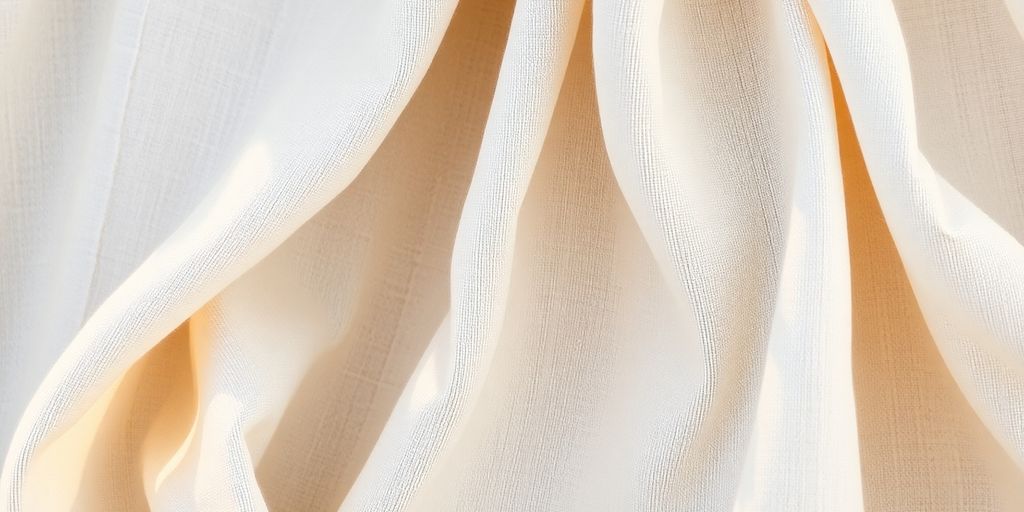
Linen is known for its breathability. The loose weave of linen fabric allows air to circulate freely, which helps keep you cool in warm weather. It’s also really good at absorbing moisture. This combination of breathability and moisture-wicking makes linen a great choice for summer clothing and bedding. Think about it: no one wants to feel sticky and uncomfortable when it’s hot outside. Linen helps prevent that. Compared to synthetic fabrics, linen feels much more natural against the skin, and it doesn’t trap heat the way some synthetics do. This is why linen shirts and dresses are so popular in warmer climates. Plus, the more you wash linen, the softer it gets, which only adds to the comfort.
Textural Qualities and Drape
Linen has a unique texture. It’s not as smooth as silk, but it’s not rough like burlap either. It has a slightly nubby feel, which some people find very appealing. The drape of linen is also distinctive. It tends to hang loosely and flow naturally, which gives garments a relaxed and elegant look. However, it’s worth noting that linen doesn’t have a lot of stretch. This can affect the fit and feel of certain garments. For example, a upholstery linen sofa fabric might feel different than a linen t-shirt because of how the fabric is used and the way it drapes over the furniture.
Wrinkling Tendencies and Aesthetic Implications
Okay, let’s be real: linen wrinkles. It’s just part of its charm. Some people love the slightly rumpled look of linen, while others find it annoying. If you’re someone who likes perfectly smooth clothes, linen might not be for you. However, there are ways to minimize wrinkling. Ironing linen while it’s still slightly damp can help, and some linen blends are less prone to wrinkling than 100% linen. Ultimately, whether you embrace the wrinkles or fight against them is a matter of personal preference. But it’s something to keep in mind when deciding if linen is the right fabric for you.
Considering the Maintenance Requirements of Linen
Linen, while celebrated for its many virtues, does present some unique challenges when it comes to upkeep. Understanding these requirements is key to ensuring your linen items remain in good condition for years to come. It’s not as simple as tossing it in the wash and forgetting about it; a little extra care goes a long way.
Washing and Drying Protocols
Washing linen isn’t rocket science, but there are a few things to keep in mind. First, always check the care label – manufacturers know best! Generally, you’ll want to use cool or lukewarm water and a mild detergent. Avoid harsh chemicals like bleach, as they can damage the fibers. For drying, low heat is your friend. Tumble drying on high can cause shrinkage and weaken the fabric. Air drying is even better, if you have the space and time. Just hang your linen clothes on a line or drying rack, and let nature do its thing.
Ironing Needs and Energy Consumption
Okay, let’s be honest: linen wrinkles. It’s part of its charm, some might say. But if you prefer a crisp, smooth look, ironing is a must. Iron linen while it’s still slightly damp for best results. Use a medium-hot setting and a steam iron if you have one. The energy consumption from ironing is a significant factor in linen’s overall environmental impact. If you’re trying to reduce your carbon footprint, consider embracing the wrinkles or using a steamer instead of an iron.
Care Practices for Extended Product Life
To keep your linen looking its best for as long as possible, here are a few extra tips:
- Store linen in a cool, dry place away from direct sunlight. Sunlight can fade the colors and weaken the fibers.
- Avoid overcrowding your closet. Give your linen items room to breathe to prevent wrinkles and mildew.
- Consider using garment bags to protect delicate linen pieces from dust and moths.
- Repair any small tears or snags promptly to prevent them from getting worse. A little mending can add years to the life of your linen fabric.
- Rotate your linen items regularly to distribute wear and tear evenly. This is especially important for bedding and tablecloths.
By following these simple care practices, you can enjoy the beauty and comfort of linen for many years to come. It might require a bit more effort than some other fabrics, but the investment is well worth it.
Exploring the Economic Aspects of Linen
Cost of Raw Materials and Production
Okay, so let’s talk money. The price of linen starts way back at the flax farm. Things like weather, how much land is used, and labor costs all play a part. Flax isn’t super picky about where it grows, but getting good quality fibers? That takes skill and can bump up the price. Then you’ve got the whole process of turning flax into linen – spinning, weaving, dyeing. These steps can be pretty involved, and if you’re aiming for top-notch, eco-friendly linen, expect to pay more. Basically, the better the raw materials and the more careful the production, the higher the price tag.
Market Pricing and Consumer Accessibility
Linen isn’t exactly the cheapest fabric out there. You’ll usually find it priced higher than cotton, especially if it’s high-quality or comes from a well-known brand. This can make it tough for some people to buy linen clothing or velvet sofas regularly. But, you can still find linen blends or sales that make it more affordable. The price also depends on where you’re buying it – department stores, online shops, or specialty boutiques all have different markups.
Long-Term Value Proposition
Okay, linen might cost more upfront, but hear me out. It’s an investment. Linen is seriously durable. It can last for years, even decades, if you take care of it. Plus, it gets softer and comfier with each wash. So, while you might spend more initially, you’re less likely to replace it often, saving you money in the long run. Think of it as buying one really good linen shirt instead of three cheap ones that fall apart after a season. Plus, its timeless style means it won’t go out of fashion anytime soon.
Identifying Sustainable Sourcing and Certification
Organic Flax Cultivation Standards
Okay, so you’re trying to be a responsible consumer, right? When it comes to linen, that means thinking about how the flax was grown in the first place. Was it grown using methods that are good for the planet? That’s where organic flax cultivation standards come in. Basically, these standards lay out the rules for growing flax without all the nasty chemicals. Think no synthetic pesticides or fertilizers. It’s about keeping the soil healthy and promoting biodiversity. Look for certifications like USDA ORGANIC to know you’re getting the real deal.
Textile Certifications for Ethical Production
Beyond just how the flax is grown, you also want to think about how the linen fabric itself is made. That’s where textile certifications come into play. These certifications look at the whole production process, from spinning the yarn to weaving the fabric. They make sure that the factories are treating workers fairly, using water responsibly, and minimizing pollution. Some popular certifications to keep an eye out for include the Global Organic Textile Standard (GOTS), which covers the whole supply chain, and OEKO-TEX, which tests for harmful substances. These certifications help you make sure that your linen isn’t just good for the environment, but also good for the people who made it.
Traceability and Supply Chain Transparency
Ever wonder where your clothes really come from? With linen, it can be tough to know. That’s why traceability and supply chain transparency are so important. Basically, it means being able to track the linen all the way back to the field where the flax was grown. This helps ensure that the linen is actually what it claims to be and that it was produced ethically and sustainably. Some companies are starting to use technologies like blockchain to improve traceability. When you’re shopping for linen, ask brands about their supply chain and look for companies that are open about where their materials come from. For example, the bulk buy linen sofa fabric LDM804 from Haining Leading Textile Co.,Ltd should have some level of traceability.
Want to know more about how we pick our materials and make sure they’re good for the planet? We’ve got all the details on our website. Come see how we get our stuff and what special stamps of approval we have!
Conclusion
So, is 100% linen a good fabric? Well, it’s pretty clear that linen has a lot going for it. It’s strong, feels nice, and can last a long time. Plus, it comes from a plant that doesn’t need a ton of water or chemicals to grow, which is a big win for the planet. But, like anything, it’s not perfect. It wrinkles easily, and sometimes it can feel a bit stiff. Also, making it into fabric can take a lot of energy. So, when you’re thinking about linen, it’s good to remember both the good parts and the not-so-good parts. It’s a solid choice for many things, but knowing its quirks helps you decide if it’s the right fit for you.