
Okay, so picking a sofa fabric? It’s not just about what looks cool. You gotta think about who’s actually using the thing. Is it just you and your partner chilling on the weekends? Or is it a full-on family situation with kids, pets, and the occasional food fight? The fabric needs to match your reality.
Think about:
- How many people are regularly using the sofa?
- Are there kids or pets? (Be honest about their activity levels!)
- How often will the sofa be used? Daily? Weekly? Only when guests come over?
- What’s the likelihood of spills, stains, or other accidents?
Aesthetic Preferences and Interior Design
Looks matter, let’s be real. The sofa is often the centerpiece of a room, so the fabric needs to vibe with your overall style. Color, texture, pattern – it all plays a part. You want something that complements the rest of your furniture and décor, not clashes with it. It’s about creating a cohesive and inviting space.
Consider these points:
- Does the fabric’s color scheme match the room’s existing palette?
- Do the textures complement other materials in the room (wood, metal, glass)?
- How does the fabric drape and how will it look on the sofa’s frame?
- Does the style of the fabric align with the overall ambiance you’re trying to create?
Longevity and Investment Value
Sofas are expensive! You want something that’s going to last, right? The upholstery fabric is a big factor in how long your sofa will stay looking good and holding up. Some fabrics are just more durable than others. It’s worth thinking about the long game. Sometimes, spending a bit more upfront for a high-quality, durable fabric can save you money in the long run because you won’t have to replace the sofa as often. It’s an investment, not just a purchase.
Keep these things in mind:
- What’s the expected lifespan of the fabric under normal use?
- How well does the fabric resist wear and tear, fading, and pilling?
- What’s the cost of cleaning and maintaining the fabric over time?
- Does the fabric’s style have staying power, or is it a fleeting trend?
Understanding Leather Grades for Sofa Upholstery
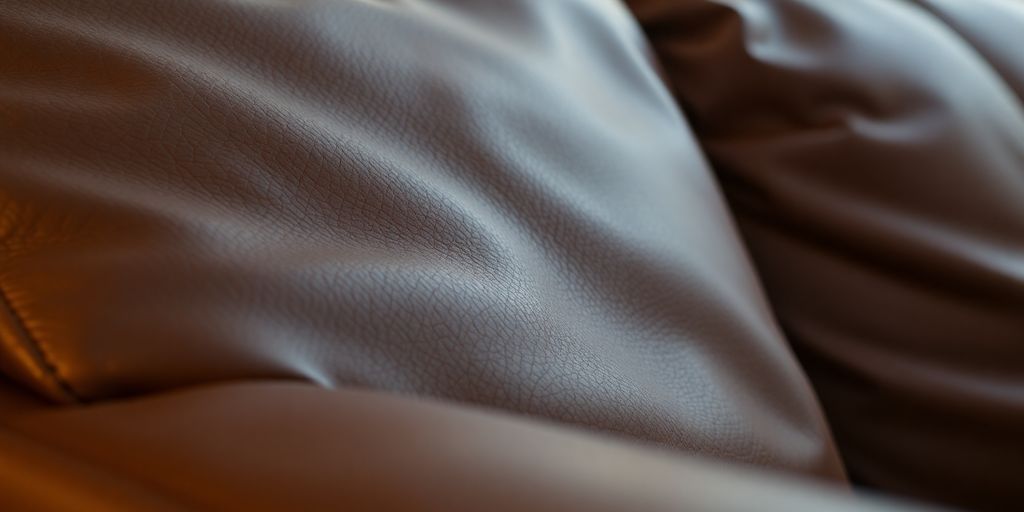
Choosing a leather sofa? It’s not as simple as just picking a color. The type of leather, or its grade, really impacts how your sofa looks, feels, and holds up over time. Think of it like this: you wouldn’t buy a car without knowing the engine, right? Same goes for leather sofas. Let’s break down the main types you’ll encounter.
Distinguishing Full-Grain and Top-Grain Leather
Okay, so full-grain and top-grain are the two big players in the leather sofa game. Full-grain is considered the highest quality because it includes the entire grain of the hide, with all its natural imperfections and character. This means it’s super durable and develops a beautiful patina over time. It’s like that old leather jacket that just gets better with age. Top-grain, on the other hand, has had the top layer sanded off to remove imperfections. This makes it more uniform in appearance, but also slightly less durable than full-grain. It’s still a good option, just not quite as rugged.
The Limitations of Bonded Leather
Now, let’s talk about bonded leather. This stuff is basically the hot dog of the leather world. It’s made from scraps and leftovers that are glued together. While it might look like leather at first glance, it doesn’t have the same durability or feel. Bonded leather tends to peel and crack over time, so it’s generally best to avoid it if you’re looking for a sofa that will last. Think of it as a short-term solution, not a long-term investment.
Impact of Leather Type on Durability and Appearance
So, how does the leather type actually affect your sofa? Well, full-grain leather is the most durable, meaning it can withstand a lot of wear and tear. It also has a unique, natural appearance that many people find appealing. Top-grain is still pretty durable and offers a more consistent look. Bonded leather, as we discussed, is the least durable and can look cheap over time. Here’s a quick rundown:
- Full-Grain: Most durable, natural appearance, develops patina.
- Top-Grain: Good durability, uniform appearance.
- Bonded Leather: Least durable, can look cheap, prone to peeling.
Choosing the right leather grade is key to getting a sofa that not only looks great but also lasts for years to come. Don’t be afraid to ask questions and do your research before making a purchase!
Structural Considerations for Leather Sofas
Importance of Frame Construction Materials
When you’re thinking about getting a leather sofa, it’s easy to focus on the leather itself. But what’s underneath really matters. The frame is the skeleton of your sofa, and if it’s not solid, your sofa won’t last. Think about it: you’re going to be sitting, sprawling, and maybe even jumping on this thing for years. A flimsy frame just won’t cut it.
- Solid Hardwood: This is the gold standard. It’s durable and can handle a lot of weight and wear. The downside? It can be pricey.
- Plywood: A good alternative if you’re on a budget. Look for furniture-grade plywood with multiple layers for strength.
- Avoid: MDF (Medium Density Fiberboard) or particleboard. These materials are cheap but they don’t hold up well over time. They can warp, crack, and generally fall apart.
Cushion Comfort and Support Levels
Okay, so the frame is solid. Now, what about the part you actually sit on? Cushions are key to comfort, obviously, but they also play a big role in how well your sofa supports you. You’ve got a few options here, and it really comes down to personal preference.
- Down-filled: Super comfy and luxurious, but they require a lot of maintenance. They can also flatten out over time.
- Foam: A more affordable and low-maintenance option. Look for high-density foam for better support and durability.
- Springs: Some sofas have springs in the cushions for extra support. These can be great, but make sure they’re well-made and won’t poke through the fabric.
Overall Sofa Dimensions and Accessibility
Before you even think about the leather or the cushions, grab a measuring tape! Seriously, measure your doorways, hallways, and the space where the sofa will actually live. There’s nothing worse than getting a beautiful sofa delivered only to find out it won’t fit through the front door. Also, think about how you’ll use the space. Do you need a smaller sofa to leave room for other furniture? Or can you go big and get a sectional for maximum lounging?
- Measure everything: Doorways, hallways, staircases, and the living room itself.
- Consider the layout: How will the sofa fit with your other furniture?
- Think about traffic flow: Make sure you can easily move around the sofa without bumping into things.
Practical Aspects of Leather Sofa Ownership
Delivery and Assembly Logistics
Okay, so you’ve picked out your dream leather sofa. Awesome! But hold on, there’s more to it than just clicking ‘buy now.’ Getting that thing into your house can be a real puzzle. Sofas are bulky, and leather ones can be surprisingly heavy. First, measure everything. Seriously. Doorways, hallways, stairwells – all of it. Nothing’s worse than a sofa that’s too big to fit. Then, figure out the delivery situation. Do they just drop it at your curb? Or do they offer ‘white glove’ service where they bring it in, assemble it, and haul away the trash? That last one might be worth the extra cash, trust me.
Resistance to Spills and Pet Damage
One of the big selling points of leather is that it’s supposed to be pretty good with spills and pet messes. But don’t think it’s totally invincible. Leather can handle spills better than some fabrics, especially if you wipe them up quickly. But if you let that red wine sit there for hours? You might be in trouble. And while leather is fairly durable against scratches, a determined cat can still do some damage. Think about getting a leather protector spray – it can add an extra layer of defense. Also, keep those kitty claws trimmed!
Long-Term Maintenance and Care
Leather sofas aren’t a ‘buy it and forget it’ kind of deal. They need some love to keep looking good. Regular cleaning is key. We’re not talking about a full-on scrub-down every week, but a gentle wipe-down with a damp cloth can do wonders. And every few months, you’ll want to use a good leather conditioner. This keeps the leather from drying out and cracking. Also, try to keep your sofa out of direct sunlight – that can fade the color over time. Basically, treat your leather sofa well, and it’ll treat you well for years to come.
Here’s a quick rundown of maintenance tasks:
- Weekly: Wipe down with a damp cloth.
- Monthly: Vacuum with a soft brush attachment.
- Every 3-6 Months: Apply leather conditioner.
- As Needed: Spot clean spills immediately.
Comparative Analysis with Alternative Upholstery Fabrics
Leather Versus Performance Fabrics
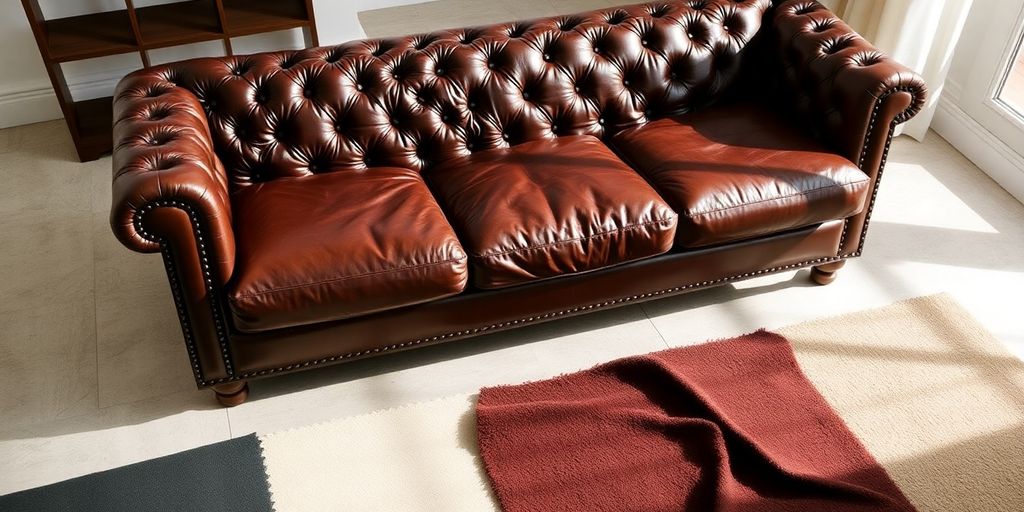
Okay, so let’s talk about leather versus those performance fabrics everyone’s raving about. Leather, it’s classic, right? It looks good, feels good, and has that whole luxury vibe. But performance fabrics? They’re the superheroes of the sofa world. They laugh in the face of spills, stains, and whatever else your family throws at them.
Think about it: Leather needs conditioning, and you’re always worried about scratching it. Performance fabrics? Wipe and go. Plus, they come in a zillion colors and patterns, so you’re not stuck with just a few shades of brown. If you have kids or pets (or, let’s be honest, if you’re just a bit clumsy), performance fabrics are a no-brainer.
Leather Versus Natural Fiber Fabrics
Now, natural fibers like cotton, linen, or even wool are super popular for sofas. They’re comfy, breathable, and can give your living room a really relaxed feel. But here’s the thing: they’re not exactly low-maintenance. Leather is more durable than these fabrics.
- Cotton: Stains easily, fades in the sun.
- Linen: Wrinkles like crazy, not great for high-traffic areas.
- Wool: Can be itchy, needs special cleaning.
Leather, on the other hand, is pretty tough. It can handle a lot of wear and tear, and while it might show scratches, some people think that just adds to the character. Plus, it’s easier to clean than most natural fibers. So, if you’re going for a more practical, long-lasting option, leather definitely has the edge.
Evaluating Durability Across Fabric Types
When it comes to sofas, durability is key. You want something that’s going to last, right? So, how do different fabrics stack up?
| Fabric Type | Durability Rating | Stain Resistance | Maintenance Level |
|---|---|---|---|
| Leather | High | Medium | Medium |
| Performance Fabric | High | High | Low |
| Natural Fibers | Low to Medium | Low | High |
As you can see, leather holds its own. It’s not quite as stain-resistant as performance fabrics, but it’s way tougher than natural fibers. And while it needs a bit of upkeep, it’s not nearly as demanding as some of those delicate natural options. Ultimately, it depends on what you value most: easy cleaning, long-lasting wear, or that natural, comfy feel.
Optimizing Leather Sofa Performance
Strategic Placement and Environmental Factors
Where you put your leather sofa really matters! Direct sunlight is a big no-no because it can fade the leather and dry it out, leading to cracks. Try to keep your sofa away from sunny windows, or use curtains or blinds to filter the light. Also, think about humidity. Leather likes a stable environment, so if your house is super dry, consider a humidifier. If it’s really humid, a dehumidifier can help prevent mildew. Basically, you want to avoid extremes.
Routine Care and Preventative Measures
Regular care is key to keeping your leather sofa looking good for years. Here’s a simple routine:
- Dust Regularly: Use a soft cloth or a vacuum with a brush attachment to remove dust and debris at least once a week. This prevents dirt from grinding into the leather.
- Condition Monthly: Leather needs moisture to stay supple. Apply a good quality leather conditioner every month or two, following the product instructions. This will help prevent cracking and keep the leather soft.
- Clean Spills Immediately: Don’t let spills sit! Blot them up right away with a clean, dry cloth. Avoid rubbing, which can spread the stain. For tougher stains, use a leather cleaner specifically designed for your type of leather.
Professional Cleaning and Restoration
Even with the best care, your leather sofa might need professional attention eventually. Consider professional cleaning every 1-2 years to remove deep-seated dirt and grime. If your sofa has significant damage, like tears or deep scratches, a professional restoration service can often repair it and bring it back to life. It’s an investment, but it can save you from having to replace the whole sofa!
Want your leather sofa to last longer and look great? Taking good care of it is key! Simple steps can make a big difference in how well it holds up over time. Learn more about keeping your leather furniture in top shape by visiting our website for helpful tips and tricks.
Conclusion
So, is leather a good choice for your sofa? It really comes down to what you need. Leather sofas can look really nice and last a long time, which is great if you want something that feels fancy and holds up well. They can also be pretty easy to clean if you spill something, which is a big plus for busy homes. But, they can cost more upfront, and you have to be careful about scratches or fading from the sun. If you have pets or kids, you might need to think about how much wear and tear it will get. Ultimately, picking a leather sofa means balancing its good looks and toughness with its price and the care it needs. It’s all about finding the right fit for your home and how you live.