
Okay, so what is suede, really? It’s not just some fancy word for soft leather. Suede is a type of leather made from the underside of animal skins – usually lamb, goat, deer, or calf. The unique thing about suede is that it’s softer and more pliable than standard leather because it doesn’t include the tough outer skin layer. Think of it as the fuzzy inside of a leather hide. Because of this, it’s more delicate, but also gives that signature napped finish we all associate with suede. It’s used in everything from clothing to furniture, and even accessories. It’s definitely a popular material, but it’s good to know what you’re getting into before you buy something made of it.
The Manufacturing Process of Suede
Ever wonder how they actually make suede? It’s a pretty interesting process. First, they split the animal hide. The top grain becomes regular leather, and the bottom part is what they use for suede. Then, the underside is buffed or sanded to create that soft, napped surface. The length of the nap depends on what the suede will be used for. After that, the suede is often treated with different finishes to protect it or add color. The type of animal skin used and the specific tanning process can really affect the final product. For example, chrome-tanned suede is super soft, while vegetable-tanned suede is a bit tougher. It’s all about what they’re going for in the end.
Key Characteristics of Suede Fabric
Suede has some pretty distinct qualities that set it apart. Here’s a quick rundown:
- Softness: This is the big one. Suede is known for its incredibly soft and smooth texture. It’s just nice to touch.
- Napped Finish: That fuzzy surface is a key identifier. It gives suede a unique look and feel.
- Breathability: Suede breathes better than a lot of other materials, which means it’s less likely to trap heat and moisture.
- Delicacy: Because it’s thinner and more pliable, suede is also more prone to damage from water, stains, and wear. You have to be careful with it.
- Appearance: Suede has a matte finish, which gives it a more casual and less shiny look than regular leather. It comes in a ton of colors, too, so it’s pretty versatile. It’s not the most durable material out there, but it sure looks and feels good!
Advantages of Suede Fabric for Sofa Upholstery
Aesthetic Appeal and Luxurious Finish
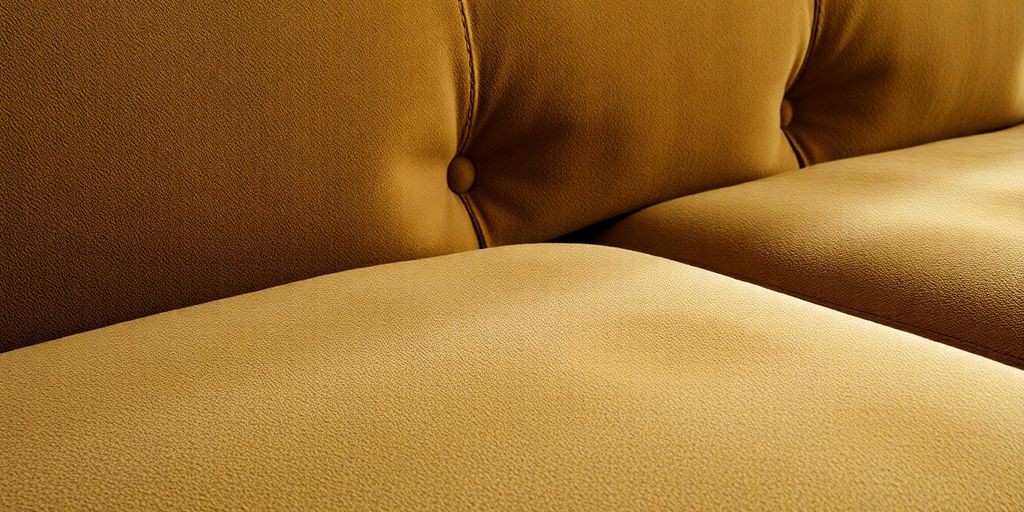
Suede just looks good, plain and simple. It has this soft, almost fuzzy texture that gives it a really classy vibe. The matte finish with a slight sheen makes it look more high-end than a lot of other fabrics. It’s the kind of thing that can make a room feel a bit more fancy without being too over-the-top. Think of it like the difference between a regular leather jacket and a suede one – both are cool, but suede has that extra something.
Tactile Comfort and Softness
Okay, so suede isn’t just about looks; it feels amazing too. Seriously, running your hand across a suede sofa is a pretty nice experience. It’s soft and smooth, almost like velvet but not quite as delicate. This is because of the way suede is made; the inner layer of the animal skin is sanded to create those tiny, soft fibers. It’s the kind of sofa you just want to sink into after a long day. I mean, who doesn’t want a comfy couch?
Breathability and Air Circulation
One thing people don’t always think about with sofas is how well the fabric breathes. Suede is surprisingly good at this. Because it’s porous, air can circulate through it, which helps keep you from getting all sweaty and uncomfortable when you’re sitting on it. This breathability also helps to wick away moisture, which can reduce the growth of bacteria and mold. So, it’s not just comfy, it’s also a bit more hygienic. Here’s a quick comparison:
| Feature | Suede | Standard Leather | Synthetic Fabric |
|---|---|---|---|
| Breathability | High | Medium | Low |
| Moisture Wicking | Good | Fair | Poor |
Disadvantages of Suede Fabric for Sofa Upholstery
Suede, while bringing a touch of class and comfort, isn’t without its downsides when used on sofas. It’s important to consider these drawbacks before deciding if a suede sofa is right for you. It’s not all sunshine and rainbows, you know?
Vulnerability to Stains and Dirt Accumulation
Suede is like a magnet for dirt and stains. Its porous nature means that spills and grime sink in quickly, making them tough to remove. Think about it: that accidental coffee spill? It’s not just sitting on the surface; it’s getting cozy inside the material. Plus, the raised nap of suede creates plenty of nooks and crannies for dust and crumbs to hide. Regular vacuuming helps, but it’s a constant battle.
Susceptibility to Water Damage and Discoloration
Water and suede are not friends. At all. Suede lacks natural resistance to water, and exposure can lead to unsightly watermarks, stiffening, or even discoloration. Ever seen a suede jacket after it’s been caught in the rain? Not a pretty sight. This means you have to be extra careful about spills and humidity. A sudden downpour through an open window could spell disaster for your suede sofa. And forget about using regular water-based cleaners; they’ll likely make the problem worse.
Challenges in Maintenance and Cleaning
Keeping a suede sofa looking its best requires more than just a quick wipe-down. Suede demands specialized cleaning techniques and products. You can’t just toss the cushions in the washing machine! Regular brushing with a suede brush is a must to maintain the nap and prevent matting. For spills and stains, you’ll likely need to invest in a suede cleaner and follow the instructions carefully. And for serious messes? Professional cleaning is often the only option. It’s a commitment, that’s for sure.
Durability and Longevity of Suede on Sofas
Inherent Durability of Suede Leather
Okay, so suede gets a bit of a bad rap when it comes to toughness, but it’s not that bad. It’s true that suede isn’t as strong as, say, full-grain leather – think of your grandpa’s old work boots. But, it’s still leather! And leather, in general, is pretty decent. The thing with suede is that it’s made from the inner layer of the hide, which is softer and more flexible. This makes it comfy, but also a little more prone to wear and tear. However, good quality suede, especially from younger animals, can still hold its own for a good while.
Factors Influencing Suede’s Lifespan on Sofas
Lots of things can affect how long your suede sofa lasts. Here’s a quick rundown:
- The type of animal: Lambskin suede is super soft, but not as tough as cow suede. Think about what you need.
- How you treat it: Spills happen, but how fast you clean them up matters. Regular cleaning and protection are key.
- How much you use it: A sofa in a formal living room that’s rarely used will last way longer than the one in your family room where the kids and pets hang out all the time.
- Quality of the Suede: Was it cheap suede? Then it will probably not last as long.
Comparison with Other Upholstery Materials
So, how does suede stack up against other sofa fabrics? Well…
- Suede vs. Full-Grain Leather: Full-grain wins on durability, hands down. It’s thicker and tougher. But it’s also stiffer and more expensive.
- Suede vs. Microfiber: Microfiber is great for resisting stains and is usually cheaper. But it doesn’t have that luxurious feel of suede.
- Suede vs. Linen: Linen looks great, but it stains easily and wrinkles. Suede is a bit more forgiving, but still needs care.
- Suede vs. Faux Leather: Faux leather varies a lot. Some are pretty durable, others not so much. Suede generally feels nicer and breathes better, but faux leather can be easier to clean. It really depends on the specific faux leather you’re looking at.
Cost Implications of Suede Fabric for Sofa Upholstery
Initial Investment in Suede Sofas
Okay, let’s talk money. Suede sofas? They usually cost more upfront than, say, a microfiber or even a standard fabric couch. You’re paying for that soft, luxurious feel and the look that comes with it. Think of it like this: you can get a basic burger, or you can get the fancy burger with all the toppings and the special sauce. Suede is the fancy burger. The price jump depends on a few things: the size of the sofa, the quality of the suede (genuine vs. faux), and the brand. Generally, expect to shell out a bit more initially if you’re set on that suede vibe.
Long-Term Value and Price-Quality Ratio
So, you’ve paid more upfront. Is it worth it in the long run? That’s the million-dollar question, right? Well, if you take care of it, a good suede sofa can last. But here’s the thing: suede needs love. Regular cleaning, protection from spills, the whole shebang. If you’re the type who’s okay with a little extra maintenance, then the price-quality ratio can be pretty good. You get a sofa that looks and feels great for years. But if you’re more of a ‘set it and forget it’ kind of person, you might end up spending more on cleaning or repairs down the line, which kinda defeats the purpose.
Distinguishing Genuine Suede from Faux Alternatives
Alright, this is important. Not all suede is created equal. You’ve got genuine suede, which is made from animal hides, and then you’ve got faux suede, which is synthetic. Genuine suede is usually pricier and has a unique feel and texture. Faux suede is often more affordable and can be easier to clean. The trick is knowing what you’re getting. Check the label, ask questions, and don’t be afraid to really look at and feel the fabric. Sometimes, the difference is obvious, but other times, it can be tricky. A good rule of thumb: if the price seems too good to be true, it’s probably faux suede.
Practical Considerations for Suede Sofa Ownership
Optimal Environments for Suede Furniture
Okay, so you’re thinking about a suede sofa? Cool! But let’s be real, suede is a bit high-maintenance. The best place for a suede sofa is indoors, away from direct sunlight and high humidity. Think of it like a delicate flower – it needs the right conditions to thrive. Sunlight can fade the color, and humidity? Forget about it – hello, mildew! Basically, a controlled environment is your suede sofa’s best friend. I’d avoid placing it near windows that get blasted with sun all day or in a basement that’s always damp. A living room with curtains and decent air circulation is ideal.
Preventative Measures for Suede Protection
Alright, so you’ve got your suede sofa in the perfect spot. Now what? Time for some preventative action! Think of it as building a fortress around your precious couch. Here’s the deal:
- Regular Vacuuming: Get yourself a good upholstery attachment for your vacuum and use it at least once a week. Suede loves to collect dust and dirt, and regular vacuuming will keep it from getting embedded in the fibers.
- Suede Protector Spray: This stuff is your best friend. It creates a barrier that helps repel stains and water. Just make sure you test it in an inconspicuous area first to make sure it doesn’t discolor the suede. Reapply every few months, or as directed on the can.
- Avoid Eating and Drinking on the Sofa: I know, I know, this is a tough one. But seriously, spills are the enemy of suede. If you must snack on the couch, use a tray and be extra careful.
- Blot, Don’t Rub: If a spill does happen (and let’s be honest, it probably will), resist the urge to rub it! Rubbing will only spread the stain and grind it deeper into the fibers. Instead, blot gently with a clean, dry cloth. Work from the outside of the stain inward.
Professional Cleaning and Repair Services
Sometimes, no matter how careful you are, your suede sofa is going to need some professional help. Knowing when to call in the pros is key to keeping your sofa looking its best. If you’ve got a stubborn stain that you can’t remove yourself, or if your sofa is starting to look a little worn and tired, it’s time to call a professional upholstery cleaner. They have the tools and expertise to clean and restore suede without damaging it. Also, if you end up with any rips or tears, find a reputable upholstery repair service. Trying to fix it yourself could end up making the problem worse. Trust me, it’s worth the investment to keep your suede sofa in tip-top shape.
Thinking about getting a suede couch? It’s a big decision! You need to know how to keep it looking good and what to expect. For all the important tips and tricks, check out our full guide on suede sofa care.
Conclusion
So, when you’re picking out fabrics, things like how well it breathes, if it’s waterproof, and if there are vegan choices really matter. Suede and its fake version are pretty good for lots of stuff and hit many of those marks. We’ve gone through a bunch of details here about what’s good and bad about suede, plus how people use it and how to clean it. Knowing all this stuff makes it easier to pick the right thing when you’re buying, and you’ll know how to keep your suede looking nice with our cleaning tips.