
Understanding the Core Function of Upholstery Backing
Defining the Role of Fabric Backing in Upholstery
Okay, so what’s the deal with upholstery backing anyway? Basically, it’s like the unsung hero of your furniture. Think of it as the foundation upon which your fancy fabric lives. It’s there to give the sofa fabric some structure and support. Without it, your upholstery would be a floppy mess, prone to stretching and wearing out way faster than it should. It’s not just about looks; it’s about making sure your furniture lasts.
Structural Integrity and Durability Enhancement
Let’s get real for a second. Upholstery takes a beating. People sit on it, kids jump on it, pets claw at it – it’s a war zone! That’s where backing comes in. It adds a layer of strength that the main fabric alone just can’t provide. It helps prevent tears, stops seams from splitting, and generally makes your furniture way more resilient. It’s like giving your couch a suit of armor, but, you know, a comfy one. Think of it this way:
- It distributes weight evenly.
- It reduces stress on seams.
- It protects against abrasion.
Mitigating Fabric Distortion and Wear
Ever notice how some upholstery starts to sag or wrinkle over time? That’s often because the fabric is stretching out of shape. Backing helps prevent this by providing a stable base. It keeps the fabric taut and prevents it from distorting, even with heavy use. It’s like the Spanx for your sofa – it keeps everything smooth and in place. Plus, it reduces wear and tear by acting as a buffer between the fabric and the frame of the furniture. This is especially important for upholstery lining fabric that sees a lot of action. Basically, it helps your furniture look newer for longer.
Key Considerations for Selecting Upholstery Backing
Assessing Fabric Type and Application Demands
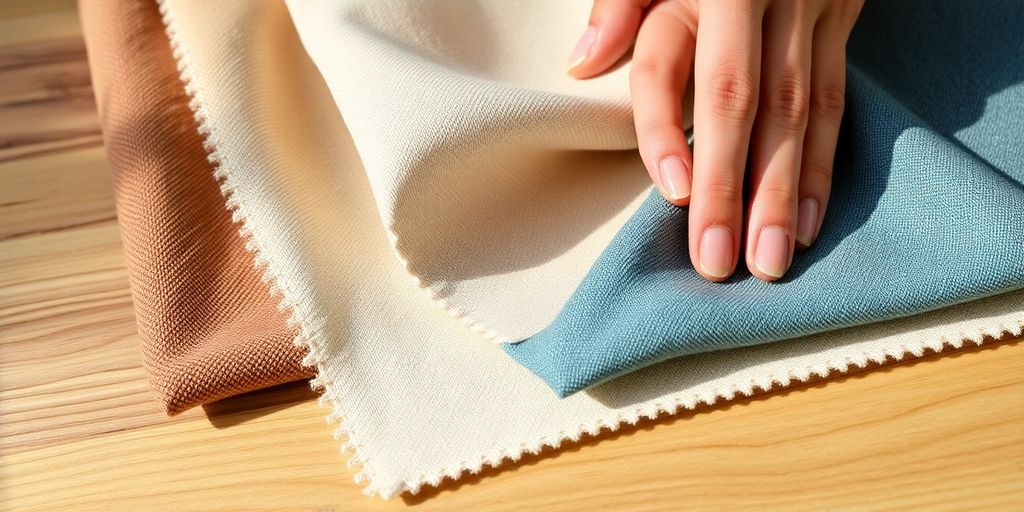
Okay, so you’re trying to pick the right backing for your upholstery project? First thing’s first: what kind of fabric are you using, and what’s the thing going to be used for? A delicate silk on a decorative pillow is way different than heavy-duty chenille upholstery fabric sofa on a family room couch. Think about how often the piece will be used. Is it going to get daily wear and tear, or is it more for show? This will really drive your backing choice. For example, a loosely woven fabric might need a non-woven backing to prevent stretching, while a heavier fabric might be fine with a simpler woven option.
Evaluating Performance Characteristics and Longevity
Next up, how long do you want this upholstery to last? The backing plays a big part in that. A good backing can seriously extend the life of your fabric. Consider things like abrasion resistance – how well the backing will hold up against rubbing and friction. Also, think about whether you need any special features, like water resistance or stain protection. Some backings are treated to repel liquids, which is a lifesaver if you have kids or pets. Nobody wants a ruined couch because of a spilled drink!
Maintenance Requirements and Practicality
Finally, how easy is this thing going to be to clean and maintain? Some backings can be a pain to deal with. If the backing isn’t washable, that could limit your cleaning options for the entire piece. Also, think about whether the backing is likely to shrink or stretch over time, and how that might affect the look and feel of your upholstery. A stable backing will keep your fabric looking its best for longer, without a lot of extra fuss. I know someone who uses Flannel for backing because it’s easy to maintain.
Common Backing Materials and Their Properties
Non-Woven Backings for Stability
Non-woven backings are pretty popular because they’re good at adding stability without a ton of extra bulk. Think of them like a firm hug for your fabric. They’re made by bonding fibers together mechanically, chemically, or thermally, rather than weaving them. This means they don’t have a grain, so you don’t have to worry about them stretching unevenly. They’re often used when you need to prevent a fabric from stretching out of shape, like on the back of a headboard or the inside of a clothing fabric. They can be a more affordable option, too, which is always a plus. The downside? They might not be as strong as woven backings when it comes to resisting tears or punctures.
Woven Backings for Enhanced Strength
Woven backings, on the other hand, are all about strength. They’re made by interlacing two or more sets of yarns at right angles, just like your typical fabric. This gives them a really strong structure that can handle a lot of wear and tear. If you’re working on a piece of furniture that’s going to see a lot of use, like a sofa or a chair in a busy waiting room, a woven backing is probably the way to go. They’re great for preventing rips and tears, and they can also help to distribute weight evenly across the fabric. Of course, they tend to be a bit more expensive than non-woven options, and you do have to pay attention to the grain when you’re working with them. But for durability, they’re hard to beat. You can find a variety of linen sofa fabrics that use woven backings.
Specialized Backings for Unique Applications
Then there are the specialized backings – the ones that are designed for specific purposes. These can include anything from moisture barriers to acoustic dampeners. For example, if you’re upholstering furniture for outdoor use, you might want a backing that’s treated to resist water and mildew. Or, if you’re working on a project for a home theater, you could use a backing that helps to absorb sound. There are even backings that are designed to be extra soft and comfortable, for things like headboards or cushions. These specialized backings can really add a lot of value to a project, but they also tend to be the most expensive option. It really depends on what you need the upholstery lining fabric to do.
Advanced Backing Technologies for Upholstery Fabrics
Rhino Fabric: A Case Study in Durability
Okay, so you’ve probably heard about fancy new fabrics that are supposed to be super tough. Rhino Fabric is one of those. It’s designed to take a beating. I mean, seriously, it’s supposed to be really hard to tear or damage. The main thing with Rhino Fabric is its tightly woven construction and special coating, which makes it extra resistant to wear and tear.
Think about it like this:
- Regular fabric: Can get scratched easily.
- Rhino Fabric: Resists scratches much better.
- Regular fabric: Tears if you pull too hard.
- Rhino Fabric: Can withstand a lot more pulling.
It’s not indestructible, but it’s a step up if you need something that lasts. If you are looking for sofa covers, this might be a good option.
Innovations in Stain and Water Resistance
Stains are the enemy, right? Especially if you have kids or pets. So, there’s been a lot of work on making fabrics that don’t stain easily. The big thing is usually some kind of coating that repels liquids. It’s like when you spill something, it just beads up instead of soaking in. Water resistance is similar, but it’s more about keeping the fabric dry in the first place. These coatings aren’t perfect, and they can wear off over time, but they definitely help. I’ve seen some that claim to be almost completely stain-proof, but I’m always a little skeptical until I see it in action.
Acoustic and Thermal Insulation Properties
This is where things get a little more interesting. Some upholstery fabrics now come with backing that can actually help with soundproofing or keeping a room warm or cool. The acoustic stuff usually has a thicker, denser backing that absorbs sound waves. It’s not going to turn your living room into a recording studio, but it can make a noticeable difference. The thermal insulation is similar – the backing helps to trap heat in the winter and keep it out in the summer. It’s like having a built-in blanket for your furniture. I think this is a cool idea, especially if you live in a place with extreme temperatures or a lot of noise. You can find upholstery lining fabric with these properties.
Impact of Backing on Upholstery Aesthetics and Feel
Influence on Fabric Drape and Hand
Okay, so think about it: the backing you pick totally changes how the fabric hangs and feels. A stiff backing? Expect a more structured, less flowy drape. A softer one? Way more give and a nicer hand. It’s like the difference between a starched shirt and your favorite old t-shirt. The backing material really dictates how the velvet materials for sofas behave. It’s not just about looks, either; it’s about how it feels when you touch it.
Preventing Sagging and Wrinkling
Sagging and wrinkling? Nobody wants that. A good backing acts like a superhero, preventing your upholstery from turning into a sad, droopy mess. It provides support, especially in areas that get a lot of use, like the seat cushions. Think of it as the foundation – a strong one means your upholstery stays looking fresh for longer. Without it, gravity wins, and you end up with a lumpy, bumpy disaster. Here’s a few things to consider:
- Choose a backing with appropriate density.
- Ensure proper tension during installation.
- Consider the weight of the top fabric.
Enhancing Comfort and Tactile Experience
Let’s be real, comfort is king (or queen!). The right backing can seriously up the comfort game. It can add a layer of padding, making your furniture feel plusher and more inviting. It also affects the overall tactile experience – how the fabric feels against your skin. A scratchy backing? No thanks. A soft, smooth one? Now we’re talking. It’s all about creating that cozy, inviting vibe. The backing is the unsung hero of comfort.
Basically, the backing is way more important than you might think. It’s not just some hidden layer; it’s a key player in how your upholstery looks, feels, and holds up over time.
Installation Techniques and Backing Compatibility
Alright, so you’ve picked out your upholstery fabric and the perfect backing. Now comes the fun part – putting it all together! But hold on, it’s not as simple as slapping some glue on and hoping for the best. Different fabrics and backings play well together, and some combinations are just a recipe for disaster. Let’s break down the best ways to get your upholstery project looking professional and lasting for years.
Adhesive Application Methods
When it comes to sticking your backing to the fabric, adhesives are your friend. But which one? Well, that depends. For lighter fabrics and non-woven backings, a spray adhesive might do the trick. Just make sure you’re in a well-ventilated area, and apply an even coat to both surfaces. For heavier fabrics or woven backings, you might need something stronger, like a brush-on adhesive. Always test a small area first to make sure the adhesive doesn’t bleed through or discolor your fabric.
Here’s a quick rundown:
- Spray Adhesives: Good for light-duty projects, easy to apply, but can be messy.
- Brush-On Adhesives: Stronger hold, better for heavier materials, requires more precision.
- Heat-Activated Adhesives: Used with an iron, creates a permanent bond, best for specific fabric types.
Sewing and Fastening Considerations
Sometimes, glue just isn’t enough. Or maybe you prefer a more traditional approach. Sewing the backing to the fabric can provide a super secure bond, especially around edges and seams. But again, compatibility is key. A thick woven backing might be too much for a delicate sofa fabric, causing puckering or tearing. In that case, consider using a serger to create a clean, durable edge. Also, think about your stitch length and thread type. You don’t want the stitches to be too visible or to weaken the fabric.
- Needle Selection: Use the correct needle size for your fabric and backing to prevent damage.
- Stitch Length: Adjust stitch length to avoid puckering or loose seams.
- Thread Type: Choose a thread that complements the fabric’s weight and color.
Professional Best Practices for Backing Integration
Want to take your upholstery game to the next level? Here are some tips from the pros:
- Pre-Treat Your Fabric: Before you even think about adding backing, clean and iron your fabric. This will remove any wrinkles or stains that could interfere with the adhesion process.
- Use a Pattern: If you’re working with a patterned fabric, make sure the pattern lines up perfectly with the backing. This will prevent any unsightly mismatches.
- Take Your Time: Rushing the process is a surefire way to end up with a messy, unprofessional-looking result. Work in small sections, and double-check your alignment as you go.
By following these guidelines, you can ensure that your upholstery project not only looks great but also stands the test of time. Remember to consider the specific properties of your upholstery lining fabric and choose the installation method that best suits your needs.
Long-Term Performance and Maintenance of Backed Fabrics
Strategies for Extending Upholstery Lifespan
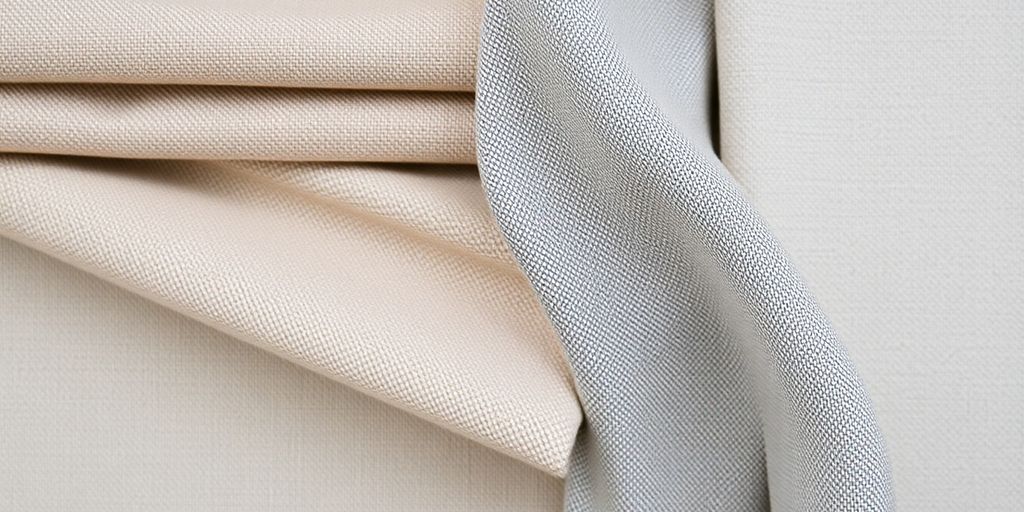
Okay, so you’ve got some backed fabric furniture. Now what? The key to keeping it looking good for years is all about smart choices and a little bit of effort. First, think about placement. Direct sunlight is a killer for most fabrics, causing fading and weakening over time. Try to position your furniture away from windows, or use curtains or blinds to filter the light. Another thing to consider is everyday wear and tear. Using slipcovers, especially in high-traffic areas, can add a layer of protection against spills, stains, and general abrasion. Rotate cushions regularly to even out the wear, and don’t forget to vacuum frequently to remove dust and debris that can grind into the fibers and cause damage. Think of it like preventative medicine for your furniture!
Cleaning Protocols for Backed Upholstery
Cleaning backed upholstery can feel a bit daunting, but it doesn’t have to be. The first rule? Always check the manufacturer’s instructions. Different backings and fabrics will react differently to cleaning agents. Before you go wild with any cleaner, test it on a hidden area to make sure it doesn’t cause discoloration or damage. For general cleaning, vacuuming is your best friend. Use the upholstery attachment to get into all the nooks and crannies. For spills, act fast! Blot (don’t rub!) the spill with a clean cloth to absorb as much liquid as possible. For tougher stains, you might need a specialized upholstery cleaner. Again, test it first! And remember, sometimes professional cleaning is the way to go, especially for delicate fabrics or stubborn stains. It’s an investment that can really pay off in the long run. Hnleading offers [upholstery lining fabric](#af1c] that can help with cleaning.
Addressing Common Issues in Backed Fabrics
Even with the best care, backed fabrics can sometimes develop problems. One common issue is sagging, especially in cushions. This often happens over time as the foam or filling breaks down. Replacing the filling can often restore the cushion’s shape and support. Another issue is wrinkling, particularly in areas that get a lot of use. Steaming can help to relax the fibers and smooth out wrinkles, but be careful not to over-wet the fabric. Pilling, those annoying little balls of fabric, can also occur. A fabric shaver can safely remove pills and restore the fabric’s appearance. And of course, there’s always the risk of tears or rips. Small tears can sometimes be repaired with a needle and thread, but larger tears might require professional attention. The key is to address problems early before they get worse. Regular inspection and prompt action can keep your backed upholstery looking its best for years to come. Consider wholesale custom upholstery fabrics for repairs.
Want to know how to make your backed fabrics last longer and look great for years? It’s all about picking the right kind and taking good care of them. Learn more about keeping your fabrics in top shape by visiting our website!
Wrapping Things Up
So, we’ve gone over a lot about what goes behind your upholstery fabric. Picking the right backing really matters for how long your furniture lasts and how it feels. It’s not just about looks; it’s about making sure your pieces hold up over time. Thinking about the different types of backing and what they do can help you make a good choice for your projects. This way, your upholstered items will stay nice and useful for a long time.