
Okay, so what is chenille? Basically, it’s a fabric with a fuzzy pile surface. Think of it like a caterpillar – that’s actually where the name comes from, the French word for caterpillar! The cool thing about chenille is its texture, which is super soft and almost velvety. It’s made by placing short lengths of yarn, called the ‘pile,’ between two core yarns and then twisting the whole thing together. This gives chenille its distinctive look and feel. The origin of chenille fabrics can be traced back to Scotland in the 18th century, where it was initially produced as a type of tufted fabric. Over time, the process evolved, and chenille became known for its unique manufacturing technique and luxurious texture.
Characteristics of Chenille Fabric
Chenille has some pretty unique characteristics that set it apart. First off, there’s the obvious: its softness. It’s seriously comfy! But beyond that, it’s also known for its iridescent look – the way it catches the light can give it a really nice sheen. It’s also a relatively thick fabric, which adds to its cozy feel. However, chenille can be prone to shrinking, especially if it’s made from cotton. And because of its pile construction, it can sometimes shed a bit. Here’s a quick rundown:
- Soft, velvety texture
- Iridescent appearance
- Relatively thick and warm
- Can be prone to shrinking
- May shed fibers
Common Materials Used in Chenille
Chenille isn’t just one thing; it can be made from a bunch of different fibers. Cotton chenille is super soft and breathable, making it great for clothing and blankets. But it’s not the most durable. Polyester chenille is more resistant to wear and tear, so it’s often used for upholstery. Rayon chenille has a beautiful drape and luster, but it can be a bit delicate. And then there are blends, which combine the best qualities of different fibers. For example, a cotton-polyester blend can give you softness and durability. When you’re looking at upholstery lining, it’s worth checking the fiber content to see what you’re getting.
Benefits of Chenille Fabric Sofas
Luxurious Texture and Comfort
Okay, let’s be real, the main reason anyone even thinks about chenille is because it feels amazing. The super soft, almost velvety texture is what makes it so appealing for sofas. It just begs you to sink in and relax. Seriously, who doesn’t want a sofa that feels like a hug? It’s not just about feeling good, though. That comfort factor can really change how you use your living space. Suddenly, movie nights are way more appealing, and even just chilling with a book becomes a luxurious experience. It’s a simple upgrade that makes a big difference.
Durability and Longevity
Don’t let the soft feel fool you; chenille can actually hold its own. It’s not indestructible, obviously, but it’s way tougher than you might think. The way the fibers are woven together gives it some serious staying power. Plus, it tends to hide wear and tear pretty well, which is a huge bonus if you’ve got kids or pets. Think about it: a fabric that’s both comfy and can handle a bit of roughhousing? That’s a win-win. Of course, how long it lasts really depends on the quality of the chenille upholstery fabric and how well you take care of it, but generally speaking, you can expect it to stick around for a good while.
Variety of Colors and Patterns
One of the best things about chenille is that it comes in basically every color and pattern you can imagine. Want something bold and vibrant? No problem. Prefer something subtle and neutral? You’re covered. That makes it super easy to find a suede sofa fabric that actually fits your style. It’s not just about the color, either. The texture of chenille adds another layer of depth and interest, so even a simple, solid-colored sofa can look really special. Whether you’re going for a modern vibe or something more traditional, there’s a chenille option out there for you. It’s all about finding the right combination of color, pattern, and texture to create the perfect look for your living room.
Ideal Applications for Chenille Sofas
Chenille sofas aren’t just about looks; they’re surprisingly versatile. You can use them in all sorts of rooms and for different purposes. Let’s explore where they really shine.
Living Room Furniture
Chenille is an excellent choice for living room furniture like sofas, armchairs, and ottomans. Its luxurious texture adds comfort and elegance to your living space, making it a cozy and stylish option for lounging areas. Think about sinking into a plush chenille sofa after a long day – that’s the kind of comfort we’re talking about. Plus, chenille’s durability means it can handle the wear and tear of everyday life in a busy living room.
Bedroom Furnishings
Don’t limit chenille to just the living room! It works great in bedrooms too. Imagine an upholstered headboard covered in soft chenille – instantly adds a touch of luxury. Chenille can also be used for benches or accent chairs in the bedroom. Its soft feel enhances the comfort of bedroom furniture and complements various decor styles. It’s all about creating a relaxing and inviting space, and chenille definitely helps with that.
Accent Pieces and Decor
Chenille isn’t just for big pieces of furniture. It’s perfect for accent pieces too. Throw pillows, cushions, and decorative chairs covered in chenille can add a touch of elegance to any room. Adding chenille accents to your decor can create a cohesive and luxurious look throughout your home. It’s a simple way to elevate your space without committing to a whole sofa. Think of it as the jewelry of your living room – the perfect finishing touch.
Choosing the Right Chenille Fabric Sofa
So, you’re thinking about getting a chenille sofa? Smart move! But before you jump in, there are a few things to keep in mind to make sure you end up with the perfect couch for your space. It’s not just about picking the prettiest one; it’s about finding something that fits your lifestyle and will last.
Fabric Composition Considerations
First things first, what’s the chenille actually made of? You’ll find options like cotton, polyester, and blends. Polyester blends are usually tougher and resist stains better, which is great if you have kids or pets. Pure cotton chenille? Super soft, but might need a bit more TLC. Think about how you’ll be using the sofa and choose accordingly. For example, if you’re looking for sofa fabrics that can withstand a lot of use, a polyester blend might be the way to go.
Texture and Feel
Okay, this is where personal preference really kicks in. Chenille is known for being soft, but there’s a range! Some are super plush and velvety, while others have a slightly different feel. Go to a store and actually touch the fabric before you buy. Make sure it feels good against your skin. You want a couch that you’ll love sinking into after a long day. I know someone who bought a sofa online without feeling it first, and they regretted it instantly – it was way too rough!
Color and Pattern Selection
Now for the fun part! Chenille comes in a ton of colors and patterns. Do you want something neutral that will blend in with everything? Or a bold color that will make a statement? Think about your existing decor and what you want to achieve. Also, consider how the color will hold up over time. Lighter colors might show stains more easily, while darker colors can fade in direct sunlight. If you’re aiming for a classic look, neutral tones are always a safe bet. But hey, if you’re feeling adventurous, go for that bright, patterned chenille! Just make sure you love it.
Maintenance and Care for Chenille Sofas
Regular Cleaning Practices
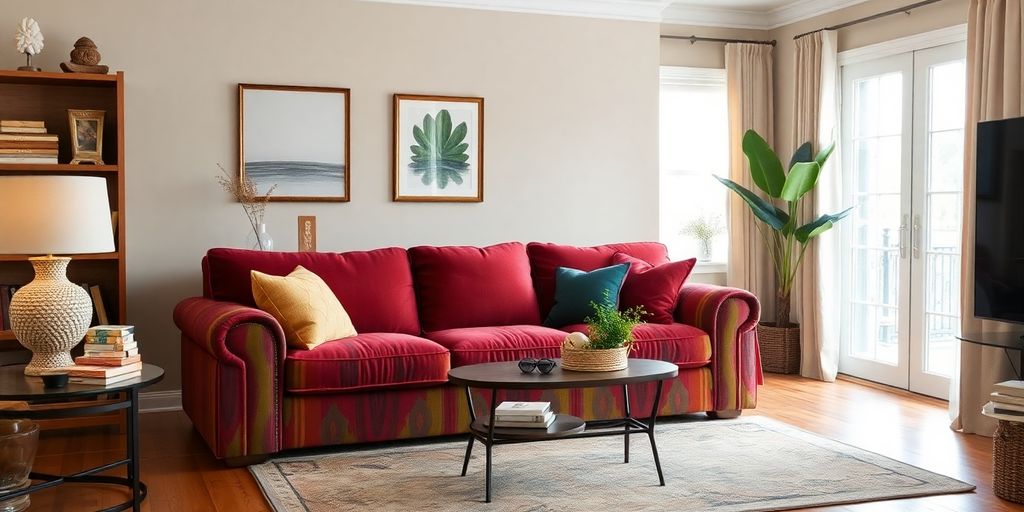
Okay, so you’ve got a chenille sofa. Now what? Well, first things first: vacuum it. Regularly. I’m talking at least once a week, maybe more if you’ve got pets or kids. Use a brush attachment to gently remove dust and crumbs. Think of it as giving your sofa a little spa day. This helps prevent dirt from getting ground into the fibers, which can be a real pain to get out later. Also, consider using a fabric refresher spray every now and then to keep it smelling nice and fresh. It’s a small thing, but it makes a big difference. You can also consider using a upholstery lining fabric to protect the chenille.
Addressing Stains Promptly
Spills happen, right? The key is to act fast. Don’t let that coffee or wine sit there and soak in. Grab a clean, dry cloth and blot the stain immediately. Avoid rubbing, because that will just spread the stain and make it worse. Work from the outside in to prevent it from spreading. For tougher stains, you might need a mild detergent mixed with water. Test it on a hidden area first to make sure it doesn’t discolor the fabric. If you’re dealing with something really stubborn, like grease or ink, it might be best to call in the pros. Here’s a quick guide:
- Blot spills immediately.
- Use a clean, dry cloth.
- Avoid rubbing the stain.
Professional Cleaning Recommendations
Even with regular vacuuming and spot cleaning, your chenille sofa will eventually need a deep clean. I’d recommend getting it professionally cleaned every 12-18 months. They’ve got the equipment and the expertise to get your sofa looking like new again. Plus, they can handle stains and odors that you just can’t tackle at home. When choosing a cleaner, make sure they have experience with chenille fabrics. Not all cleaning methods are created equal, and you don’t want to risk damaging your precious sofa. Think of it as an investment in the longevity of your chenille fabric sofa.
Comparative Analysis of Chenille with Other Fabrics
Chenille vs. Velvet
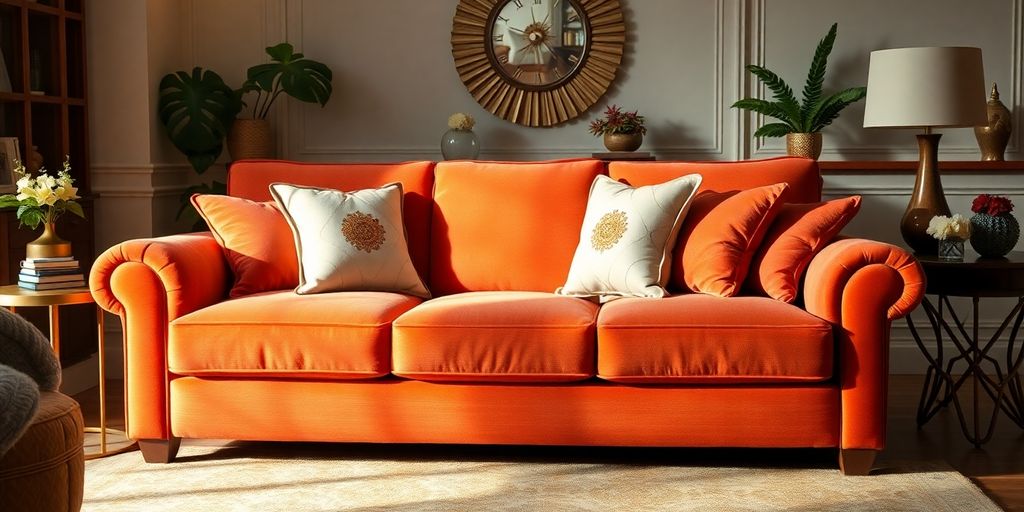
Okay, so let’s talk about how chenille stacks up against velvet. Both are known for their soft, luxurious feel, but there are some key differences. Velvet tends to have a smoother, almost shimmering appearance because of its cut pile. Chenille, on the other hand, has a more textured, matte look due to its twisted yarn construction. Velvet can sometimes be more delicate and prone to crushing, while chenille often holds up better to everyday wear and tear.
Think of it this way:
- Velvet: More formal, higher sheen, can show marks easily.
- Chenille: More casual, textured, hides wear better.
- Both: Soft, luxurious, add warmth to a room.
Chenille vs. Microfiber
Microfiber is the workhorse of the fabric world – durable, easy to clean, and budget-friendly. But it doesn’t quite have the same luxurious feel as chenille. While microfiber is great for resisting stains and spills, chenille brings a level of comfort and texture that microfiber often lacks. Microfiber is often used in sofa upholstery fabrics because of its durability.
Here’s a quick comparison:
- Microfiber: Highly durable, stain-resistant, less expensive.
- Chenille: Less stain-resistant, more luxurious feel, can be more expensive.
- Both: Come in various colors, can be used for sofas and other furniture.
Chenille vs. Leather
Leather is all about durability and a classic look, but it can be expensive and sometimes feel cold to the touch. Chenille offers a warmer, softer alternative. While leather develops a patina over time, chenille maintains its texture and color. Leather is a great choice for those wanting a durable and classic look, while chenille is better for those prioritizing comfort and warmth. Chenille fabric is a great choice for upholstery.
Consider these points:
- Leather: Very durable, classic look, can be expensive, may feel cold.
- Chenille: Warm and soft, less expensive than high-end leather, less durable than leather.
- Both: Can add a touch of elegance to a room, require proper care to maintain appearance.
Environmental Impact of Chenille Fabric
Sustainability of Chenille Materials
Okay, so let’s talk about how eco-friendly chenille actually is. It’s not always a straightforward answer. Chenille can be made from different stuff, and that really changes things. If it’s made from cotton, then we need to think about how much water and pesticides were used to grow that cotton. If it’s polyester, then we’re talking about a petroleum-based product, which isn’t great news for the planet. Rayon is another option, and that comes from trees, so sustainable forestry practices become important. Basically, it’s a mixed bag, and you have to consider the fabric composition to really know what you’re dealing with.
Recycling and Disposal Considerations
What happens when you’re done with your chenille sofa? Well, that’s another tricky question. Natural fibers like cotton can break down over time, but synthetic chenille? Not so much. Recycling chenille can be tough because it’s often a blend of different fibers, and that makes it harder to separate and recycle properly. So, a lot of old chenille stuff ends up in landfills. It’s definitely something to think about before you buy. Maybe consider donating it or finding a creative way to repurpose it instead of just tossing it out.
Eco-Friendly Chenille Options
Good news! There are more eco-conscious chenille options popping up. Look for chenille made from recycled materials, like recycled polyester. Also, keep an eye out for organic cotton chenille, which means it was grown without harmful pesticides. Another thing to consider is the dyeing process. Some dyes are way better for the environment than others. So, do a little digging and see if you can find chenille that uses low-impact dyes. It might take a bit more effort, but it’s worth it if you’re trying to be kinder to the planet. You can find Mosha Velvet Fabric that is more sustainable.
Chenille fabric is not just soft and cozy; it also has an impact on our environment. The way it is made can affect the planet, from the resources used to the waste produced. If you care about eco-friendly choices, consider how your fabric choices can make a difference. To learn more about sustainable fabrics and how they can help the environment, visit our website today!
Final Thoughts on Chenille Fabric Sofas
In summary, choosing a chenille fabric sofa can be a smart move for your living room. Its soft texture not only feels great but also adds a touch of elegance to your space. Plus, it’s durable enough to handle daily use, making it a practical choice for busy households. With so many colors and patterns available, you can easily find a style that fits your decor. Just remember to consider how to care for it, as regular maintenance will keep it looking its best. If you’re looking to combine comfort and style, a chenille sofa might just be the perfect addition to your home.