
Understanding Fabric Construction: From Fibers to Finished Textiles
When we talk about clothes, we’re really talking about fabric. It’s the stuff that makes up shirts, pants, dresses – everything we wear. But how does that raw material actually get made? It all starts with fibers, which are like the tiny threads that get spun together. Think of cotton plants giving us fluffy fibers, or sheep giving us wool. Then there are the man-made ones, like polyester, which comes from chemicals. These fibers are the basic building blocks.
Fibers Versus Fabrics: The Fundamental Building Blocks
So, you have your fibers, right? Like cotton or polyester. These aren’t fabric yet. Fabric is what you get when you take those fibers and do something with them. The most common ways to turn fibers into fabric are weaving, knitting, and bonding. Weaving is like making a basket, interlacing threads over and under each other. Knitting is what makes your t-shirts stretchy, where loops of yarn are interlocked. Bonding is a bit different, often using heat or chemicals to stick fibers together, like in felt. Each method creates a fabric with its own feel and look.
Natural Versus Synthetic Fibers: A Comparative Analysis
When you’re picking materials for clothes, you’ll see a lot of natural and synthetic options. Natural fibers come from plants or animals. Cotton is a big one, known for being soft and breathable. Wool, from sheep, is warm and can handle moisture. Silk, from silkworms, is smooth and has a nice sheen. Synthetic fibers, on the other hand, are made by people, usually from chemicals. Polyester is super common because it’s strong, doesn’t wrinkle much, and dries fast. Nylon is also tough and used in things like activewear. Acrylic is often used as a wool substitute because it’s warm and lightweight. Each type has its own pros and cons, affecting how a garment feels, how it wears, and how easy it is to care for.
The Process of Fabric Creation: Weaving, Knitting, and Bonding
Let’s break down how those fibers actually become fabric. Weaving involves interlacing two sets of yarns at right angles to each other. This creates a stable fabric structure. Think of a simple checkerboard pattern. Knitting, however, uses a single yarn or multiple yarns to create loops that are interconnected. This gives knitted fabrics stretch and flexibility, which is why they’re great for comfortable clothing. Bonding is a bit different; it involves matting, condensing, or inter-twining fibers together using mechanical, thermal, or chemical means. Felt is a good example of a bonded fabric. The way a fabric is constructed greatly impacts its final properties, like its strength, drape, and how it feels against the skin. Understanding these construction methods is key to appreciating why different fabrics behave the way they do in finished garments. For example, the way a fabric is finished can also change its characteristics significantly.
Key Fabric Properties Influencing Garment Design
When you’re designing clothes, the fabric you pick really matters. It’s not just about how it looks, but how it feels, how it moves, and how it holds up over time. Getting these properties right means your finished garment will be comfortable, look good, and last.
Texture and Hand Feel: Tactile Qualities of Textiles
The texture and ‘hand feel’ of a fabric refer to its surface quality and how it feels when you touch it. This can range from smooth and cool to rough and warm. For instance, a silk charmeuse has a very smooth, slippery feel, while a brushed cotton flannel feels soft and slightly fuzzy. These tactile qualities significantly impact the wearer’s comfort and the overall perception of the garment’s luxury or casualness. Fabrics like velvet sofa fabric offer a plush, deep pile that adds a sense of opulence.
Weight and Drape: How Fabric Falls and Moves
Fabric weight refers to how heavy or light a textile is, often measured in grams per square meter or ounces per yard. This directly influences how a garment hangs and moves. Lightweight fabrics like chiffon or georgette tend to have a fluid, flowing drape, perfect for ethereal dresses or blouses. Heavier fabrics, such as denim or wool tweed, are more structured and hold their shape, making them suitable for tailored jackets or sturdy trousers. The way fabric drapes can dramatically alter the silhouette of a design.
Stretch, Breathability, and Durability: Performance Attributes
These properties relate to how a fabric performs in terms of comfort and wear. Stretch, often found in knits or fabrics blended with elastane, allows for ease of movement and a snug fit, which is vital for activewear or fitted garments. Breathability refers to a fabric’s ability to allow air to pass through, keeping the wearer cool and comfortable, a key feature in summer clothing. Durability is a fabric’s resistance to wear and tear, including abrasion, pilling, and fading. A durable fabric ensures the garment maintains its appearance and integrity through repeated use and washing.
Fabric Selection Criteria for Apparel Development
Choosing the right fabric is a critical step in apparel development. It directly impacts the garment’s look, feel, performance, and longevity. A thoughtful selection process considers the intended use, desired aesthetics, and practical requirements of the final product.
Considering the Garment’s Intended Purpose
The function of a garment dictates the most suitable fabric types. For instance, activewear requires materials that offer stretch, moisture management, and breathability, such as nylon-spandex blends. Casual daywear often benefits from comfortable, easy-care fabrics like cotton or poly-cotton blends. Formal or evening wear might call for fabrics with a luxurious sheen or texture, like silk, satin, or velvet. Outerwear needs materials that provide warmth, durability, and protection from the elements, which could include wool, treated synthetics, or coated fabrics.
Fit, Comfort, and Aesthetic Considerations
Beyond purpose, how a fabric fits and feels against the skin is paramount. Comfort is often linked to breathability and softness. The fabric’s drape—how it hangs and moves—significantly influences the garment’s silhouette and overall aesthetic. A fabric with a stiff drape might be ideal for structured pieces, while a fluid drape suits flowing designs. The fabric’s surface texture and how it accepts color or print also play a role in achieving the desired visual appeal. For example, a smooth, napped finish like that found on suede fabric offers a distinct tactile and visual quality.
What fabrics are used in the window shades?
Window shades are made from a variety of fabrics and materials depending on the type and purpose. The most common ones include:
Polyester is probably the most widely used—it’s durable, affordable, resists fading from sunlight, and is easy to clean. Many roller shades and cellular shades use polyester or polyester blends.
Cellular (honeycomb) shades typically use a spunbond or nonwoven polyester fabric that holds its pleated shape well for insulation.
Solar/screen shades often use woven polyester or PVC-coated fiberglass, which blocks glare while still allowing some view through.
Roman shades can be made from cotton, linen, polyester, or blends—really any decorative fabric since they’re more about aesthetics.
Woven wood or bamboo shades use natural materials like bamboo, reeds, grasses, or jute.
Blackout shades may have a vinyl or foam backing applied to fabric to block light completely.
Durability and Quality in Fabric Choice
Durability refers to a fabric’s ability to withstand wear and tear, including abrasion, stretching, and washing. High-quality fabrics generally offer better longevity. Factors like fiber content, yarn construction, and weave density contribute to a fabric’s strength. When selecting materials, it’s important to balance the need for durability with other factors like cost and aesthetic requirements. A garment intended for frequent use or demanding conditions will benefit from more robust materials, whereas a piece for occasional wear might prioritize a different set of characteristics.
Fabric Finishes and Treatments: Enhancing Textile Characteristics
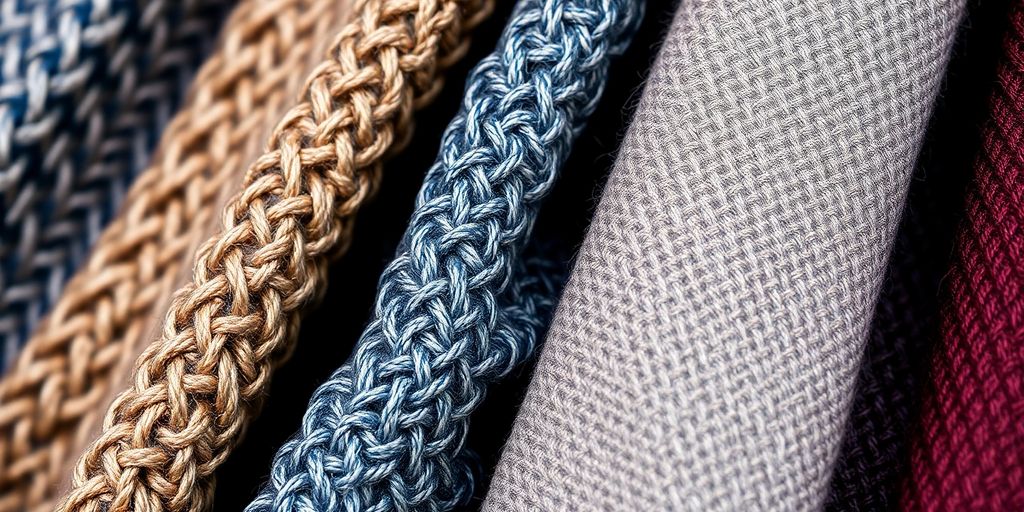
Fabric finishes and treatments are the processes applied to textiles after they have been woven or knitted to alter their appearance, feel, or performance. These treatments can significantly change a fabric’s characteristics, making it more suitable for specific garment types or end-uses. Think of them as the final touches that can turn a basic cloth into something truly special.
Dyeing and Printing Techniques for Color and Pattern
Color and pattern are fundamental to a fabric’s aesthetic appeal. Dyeing involves imparting color to the entire fabric, often resulting in a uniform shade. The choice of dye and the fabric’s fiber content are critical; for instance, cotton readily absorbs most dyes, while synthetic fibers like polyester may require specialized high-temperature dyeing processes or specific dye types to achieve vibrant and lasting colors. Printing, on the other hand, applies color in specific patterns or designs. Techniques range from traditional screen printing to advanced digital printing, which allows for highly detailed and complex graphics. The way a fabric accepts these colors and prints can greatly influence the final look of a garment, affecting its mood and theme.
Coatings and Treatments for Functional Properties
Beyond aesthetics, numerous treatments are applied to give fabrics functional properties. These can include:
- Waterproofing: Coatings like polyurethane (PU) or wax finishes are applied to create a barrier against water, making fabrics suitable for outerwear and rain gear. Waxed cotton, for example, offers a classic look with robust water resistance.
- Stain Resistance: Treatments such as Teflon coatings can repel liquids and prevent stains from setting, which is particularly useful for children’s wear, uniforms, or upholstery fabrics. This makes cleaning much simpler.
- Wrinkle Resistance: Fabrics can be treated to resist creasing, a desirable trait for travel clothing, business attire, and items that need to maintain a crisp appearance with minimal effort. This often involves chemical finishes that help the fibers recover from bending.
- Flame Retardancy: Certain treatments are applied to fabrics used in environments where fire safety is paramount, such as upholstery for public spaces or protective clothing.
Texture Modifications: Brushed, Mercerized, and More
Finishing processes can also dramatically alter a fabric’s texture and hand feel. Brushing, for example, involves passing the fabric over a rotating brush to raise a soft nap on the surface, commonly seen in flannel or fleece for added warmth and softness. Mercerization is a specific treatment for cotton that involves immersing the yarn or fabric in a caustic soda solution. This process causes the cotton fibers to swell, resulting in increased luster, improved dye uptake, and greater strength. Other treatments might include calendering, where fabric is passed between heated rollers to create a smooth, pressed finish, or sanforizing, a pre-shrinking process that helps to stabilize the fabric and reduce future shrinkage. These modifications are key to achieving the desired tactile qualities and visual appeal in the final product, whether it’s the luxurious feel of velvet fabric or the crispness of a treated cotton shirt.
Common Fabric Types in the Apparel Industry
When you’re looking at clothes, you’ll notice a lot of different materials. These are the fabrics, and they really make a difference in how a garment looks and feels. Let’s break down some of the most common ones you’ll find in the apparel world.
Widely Used Natural Fabrics: Cotton, Wool, and Silk
Cotton is probably the most familiar. It comes from a plant, and it’s known for being soft and letting your skin breathe. This makes it super comfortable for everyday clothes like t-shirts, jeans, and dresses. It takes dye well, so you see it in all sorts of colors and prints. However, cotton can wrinkle easily and might shrink if you’re not careful with washing.
Then there’s wool. This comes from sheep and other animals. Wool is fantastic for keeping you warm, which is why it’s used in sweaters, coats, and suits for colder weather. It’s also pretty good at repelling water. On the downside, wool can sometimes feel a bit itchy to some people, and it usually needs special care, like hand washing or dry cleaning, to keep it in good shape.
Silk is a bit more luxurious. It’s made by silkworms, and it’s famous for its smooth feel and beautiful sheen. Silk is often used for fancier clothes like blouses, dresses, and scarves. It drapes really nicely, meaning it hangs well on the body. But, silk can be delicate. It’s sensitive to sunlight, water spots, and can be tricky to clean, often requiring dry cleaning.
Prevalent Synthetic Fabrics: Polyester, Nylon, and Acrylics
Polyester is a man-made fiber that’s super popular because it’s strong and doesn’t wrinkle much. It holds its shape well and is often blended with natural fibers like cotton to give them the best of both worlds – the comfort of cotton with the wrinkle resistance of polyester. You’ll find it in everything from activewear to formal wear. It’s also quite durable and resistant to stretching and shrinking.
Nylon is another strong synthetic. It’s known for being lightweight, durable, and having a bit of stretch. This makes it a great choice for things like activewear, swimwear, and hosiery. It’s also resistant to abrasion, meaning it holds up well to wear and tear. Like polyester, it doesn’t absorb moisture very well, which can be a drawback in very hot weather if it’s not designed for breathability.
Acrylic is often used as a substitute for wool because it’s warm and soft. It’s lightweight and resistant to sunlight and chemicals. You’ll often see it in sweaters, blankets, and upholstery. Acrylic fibers can be prone to pilling, which means little balls of fiber can form on the surface over time, and they don’t breathe as well as natural fibers.
Blended Fabrics: Combining Fiber Strengths
Often, you’ll see fabrics that are a mix of different fibers. This is called a blend, and it’s done to get the best qualities from each fiber. For example, a cotton-polyester blend gives you the comfort and breathability of cotton along with the durability and wrinkle resistance of polyester. A wool-spandex blend might offer the warmth of wool with added stretch for better fit and movement. These blends are really common because they can create fabrics that perform better for specific uses, like clothing fabric that needs to be both comfortable and easy to care for.
Identifying Fabrics Through Textile Weave Patterns
The Plain Weave: Simplicity and Versatility
The plain weave is the most basic and widely used weave structure. It’s created by interlacing warp (lengthwise) and weft (crosswise) yarns in a simple over-and-under pattern, with each weft yarn passing over one warp yarn and under the next. This creates a balanced fabric with no distinct right or wrong side. Fabrics like cotton poplin, broadcloth, and gingham are examples of plain weaves. Its simplicity makes it strong and stable, but it also offers less drape and stretch compared to other weaves. This weave is highly versatile and can be used for a vast range of garments, from crisp shirts and blouses to linings and home textiles.
Twill Weave: Diagonal Ribs and Durability
The twill weave is characterized by its diagonal lines or ribs, created by offsetting the warp and weft yarns in a staggered progression. Typically, a weft yarn passes over two warp yarns and under one, or vice versa, creating a diagonal pattern. This structure results in a fabric that is generally stronger, more durable, and has better wrinkle resistance than plain weave fabrics. Denim, chino, gabardine, and tweed are common examples of twill weaves. The distinct diagonal lines are often visible on the face of the fabric, and the density of the weave can influence its weight and feel. Its durability makes it ideal for workwear, jeans, and outerwear.
Satin Weave: Smooth Surfaces and Lustrous Finishes
The satin weave produces a fabric with a smooth, lustrous surface on one side and a duller surface on the other. This is achieved by allowing the weft yarns to float over several warp yarns, or vice versa, with minimal interlacing points. The long floats of yarn reflect light, creating the characteristic sheen and smooth feel. Fabrics like satin, sateen, and damask are made using this weave. While beautiful and elegant, satin weaves are often less durable than plain or twill weaves because the long floats are more prone to snagging and abrasion. They are commonly used for formal wear, lingerie, and decorative fabrics where a luxurious appearance is desired.
Sustainable and Ethical Considerations in Textile Choices
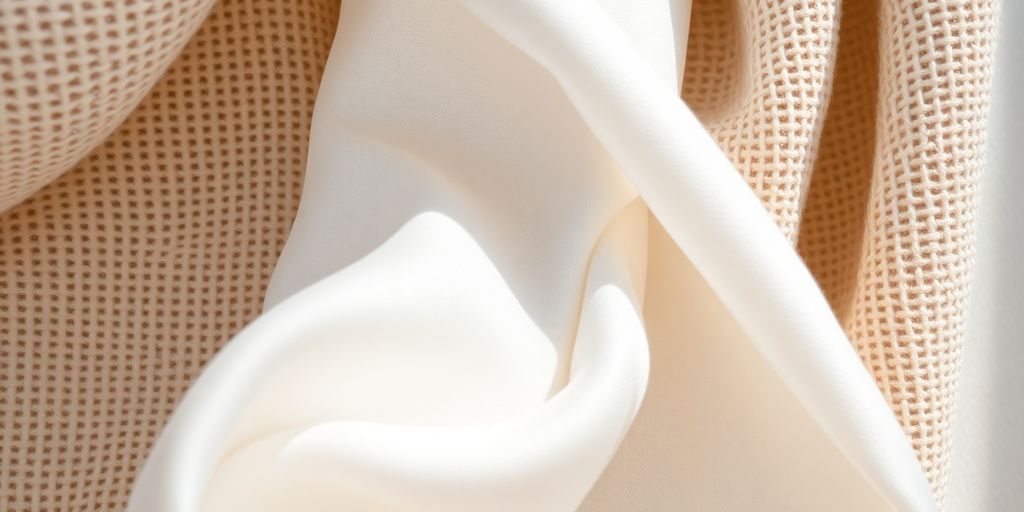
When we talk about fabrics for clothing, it’s not just about how they look or feel. We also have to think about where they come from and how they’re made. This is where sustainability and ethical practices come into play. Natural fibers like cotton and wool can be good for the environment when they’re grown, but they can also use up a lot of water and land. That’s why looking for organic versions, which follow strict rules for farming and worker treatment, is a good idea.
Synthetic materials, such as polyester and nylon, are popular because they’re strong and versatile. However, making them often relies on oil, and it can be tough to deal with them once they’re no longer needed. Their production can also cause pollution, and washing these clothes can release tiny plastic bits into the water. To make better choices here, we can look for recycled versions of these synthetics or fabrics made using processes that have less impact.
Ethical production means making sure the people who make our clothes are treated fairly. This includes paying them a decent wage and ensuring safe working conditions throughout the entire process. Supporting brands that are part of fair trade initiatives is one way to do this.
Here’s a quick look at some choices:
- Organic Cotton: Grown without harmful chemicals, better for soil and water.
- Hemp and Linen: These plants need less water to grow and are strong, breaking down naturally.
- Recycled Polyester (rPET): Made from used plastic bottles, turning waste into new fabric.
- Deadstock Fabrics: Using leftover materials from other factories prevents them from going to waste.
Making conscious choices about fabrics helps reduce our environmental footprint and supports fairer practices in the fashion world. It’s about understanding that every piece of fabric has a story, and we can choose stories that are better for people and the planet. For example, choosing upholstery fabrics made from recycled materials can be a great step.
| Aspect | Recommended Action |
|---|---|
| Natural Fibers | Favor organic and responsibly sourced materials. |
| Synthetic Materials | Choose recycled and recyclable options. |
| Production | Support brands practicing fair labor and trade. |
Fabric Care and Maintenance for Garment Longevity
Taking good care of your clothes and other fabric items is really important if you want them to last. It’s not just about washing them; it’s about understanding what each material needs.
Specific Care Guidelines for Clothing and Apparel
When it comes to your wardrobe, paying attention to the care label is the first step. For instance, denim often does better with less frequent washing and air drying to keep its shape and color. Many modern fabrics, like stretch denim, have special finishes that help them last longer and use fewer resources. Always check the label for instructions, as cotton, polyester, and wool all have different needs. Proper care can significantly extend the life of your garments. For delicate items or those with complex care needs, consider professional cleaning. If you’re looking for a wide range of fabrics for your apparel projects, Hnleading offers a variety of garment fabrics.
Maintaining Home Textiles and Decorative Fabrics
Fabrics in your home, like curtains or upholstery, also need regular attention. Bed linens, for example, should be washed often, but using mild detergents helps keep them soft. Curtains might need different cleaning methods depending on the material; silk curtains might need dry cleaning, while synthetic ones can often go in the washing machine. If you encounter a stain, always test any cleaning product on a hidden spot first to make sure it won’t damage the fabric.
Industrial and Technical Fabric Usage and Care
Industrial and technical fabrics are made for specific jobs, like resisting fire or water. To keep these properties working, you have to follow the manufacturer’s instructions very carefully. Using the wrong cleaning stuff or methods can ruin the fabric’s ability to do its job. For items like bags, shoes, and hats, good storage is key – keep them out of direct sun in a cool, dry place. Use conditioners made for the specific material, like leather or synthetics, to stop them from cracking. For stain removal on bags or hats, be careful and use things like a suede eraser for suede. Checking for loose threads and doing small repairs can stop bigger problems later.
Keeping your clothes looking great for a long time is easy with the right care. Simple steps can make a big difference in how long your favorite outfits last. Want to learn more about how to keep your fabrics in top shape? Visit our website for all the best tips and tricks!
Final Thoughts on Fabric
So, we’ve gone over a lot about fabric, from what it is to how it’s made and why it matters so much in clothes. It’s not just about picking something that looks good; it’s about how it feels, how it wears, and even how it’s made. Understanding the difference between cotton and polyester, or knowing that a twill weave is different from a plain weave, really helps you make better choices. Whether you’re designing clothes, buying new outfits, or just curious about what you’re wearing, knowing about fabrics gives you a better appreciation for the textiles all around us. It’s a big topic, but hopefully, this guide made it a bit clearer.