
Okay, so buying chenille upholstery fabric in bulk? It’s mostly about saving money, right? You get a much better price per yard when you buy a whole lot at once. Think of it like buying snacks at Costco versus the corner store. Plus, if you’re doing a big project or running a business, fewer trips to the fabric store mean less time wasted. And let’s be real, time is money.
Strategic Business Relationship Development
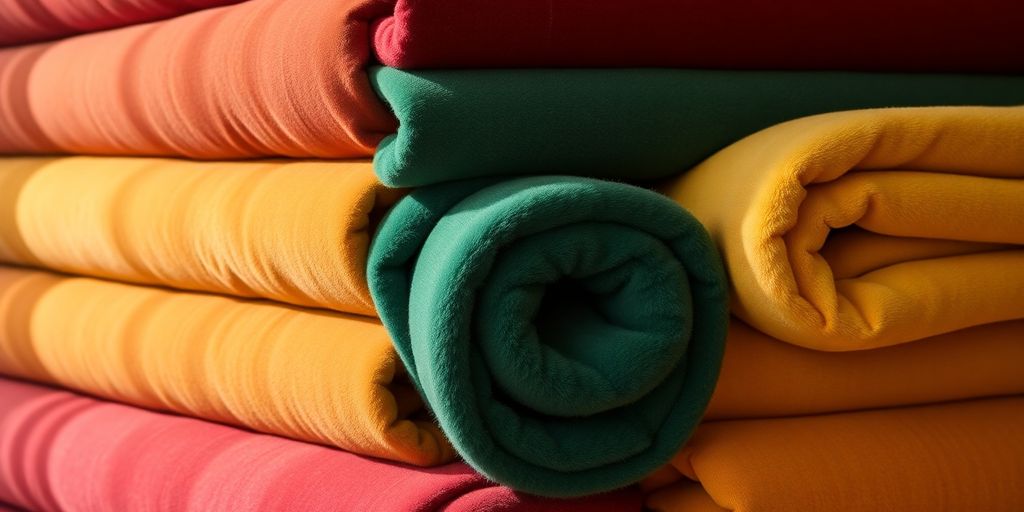
Wholesalers want your business, especially if you’re buying a lot of fabric. This means you can build actual relationships with them. Maybe you can negotiate better prices or get more flexible payment options. It’s all about who you know, and having a good connection with your supplier can make things way easier down the road. They might even give you the inside scoop on new fabrics or upcoming deals.
Find the Chenille fabric supplier here.
Enhanced Industry Expertise
When you start buying wholesale, you kind of have to learn more about the fabric industry. You start figuring out who the good suppliers are, what the different fabric qualities are, and how to get the best deals. Plus, wholesalers often have tons of experience, and they’re usually willing to share their knowledge. It’s like getting free consulting just by buying your fabric from them. You’ll learn about the latest trends, what fabrics are selling well, and maybe even some tips on how to use them in your projects.
Characteristics and Applications of Chenille Upholstery Fabric
Tactile Qualities and Durability of Chenille
Chenille fabric is super popular for upholstery because it’s just so darn soft. Seriously, who doesn’t love sinking into a chenille couch after a long day? It’s got this fuzzy, almost velvety feel that makes it extra comfy. But it’s not just about the feel; chenille is also pretty tough. It can handle everyday wear and tear, which is a big plus if you’ve got kids or pets. Plus, it comes in different weights and blends, so you can find something that fits your needs perfectly. Think about it: a heavy-duty chenille for a family room sofa versus a lighter weave for decorative pillows. Makes sense, right?
Versatility in Interior Design
Okay, so chenille isn’t just comfy and durable; it’s also crazy versatile. You can use it for pretty much anything in your house. Sofas, chairs, headboards, curtains, you name it. It adds a touch of elegance and coziness to any room. And because it comes in so many colors and patterns, you can really get creative with your design. I’ve seen some amazing chenille accent walls that just completely transform a space. Seriously, don’t underestimate the power of a good chenille throw blanket to tie a room together.
Color Spectrum of Chenille Fabrics
Speaking of colors, chenille has got you covered. From bright, bold hues to soft, neutral tones, there’s a chenille color for every style. And the cool thing about chenille is that the texture gives the colors a really rich, almost iridescent look. It’s hard to explain, but the way the light hits the fibers makes the colors pop in a way that other fabrics just can’t match. Whether you’re going for a modern, minimalist vibe or a cozy, traditional feel, you can find a chenille color that works. I was looking at some swatches the other day, and the range was just incredible. Here’s a quick look at some popular color families:
- Neutrals: Beige, gray, cream
- Brights: Teal, magenta, gold
- Pastels: Lavender, baby blue, mint green
Strategic Sourcing for Chenille Upholstery Fabric Wholesale
Identifying Reputable Wholesale Suppliers
Finding the right supplier is key when you’re buying chenille upholstery fabric in bulk. It’s not just about price; it’s about reliability, quality, and service. Start by doing your homework. Look for suppliers with a solid track record. Check online reviews and ask for references. A good supplier should be transparent about their manufacturing processes and willing to provide samples. Don’t be afraid to ask tough questions about their quality control measures and ethical sourcing practices.
Geographic Considerations for Procurement
Where your supplier is located can have a big impact on cost and logistics. Sourcing from overseas might offer lower prices, but it also means longer lead times and potential complications with shipping and customs. On the other hand, a local supplier might be more expensive but offers quicker turnaround and easier communication. Think about what’s most important for your business. Do you need fabric fast, or are you willing to wait to save money? Also, consider the political and economic stability of the region you’re sourcing from. Here’s a few things to consider:
- Shipping costs
- Import duties
- Lead times
Evaluating Supplier Offerings and Services
It’s not just about the fabric itself; it’s about the whole package. A good supplier should offer a range of services to make your life easier. This might include things like:
- Custom dyeing
- Fabric finishing
- Cutting services
They should also have a knowledgeable team that can answer your questions and help you choose the right fabric for your needs. Look for suppliers who are willing to go the extra mile to support your business. Do they offer samples? Can they provide technical data sheets? Do they have a good return policy? These are all important factors to consider.
Critical Considerations for Wholesale Chenille Upholstery Fabric
Price Comparison and Value Assessment
Okay, so you’re thinking about buying chenille fabric in bulk. Makes sense! But before you jump in, let’s talk money. It’s not just about finding the cheapest price tag. You gotta think about the whole deal. Are you getting a good deal for the quality? What are other suppliers charging? Don’t just look at the price per yard; factor in shipping, potential discounts for larger orders, and any extra fees they might sneak in. Basically, do your homework and make sure you’re getting the most bang for your buck.
Quantity Determination and Inventory Management
How much chenille do you really need? This is a big one. Ordering too little means you’ll be scrambling for more later, and that can mess up your project timeline and cost you extra in shipping. But ordering too much? Now you’re stuck with a pile of fabric taking up space, and that’s money just sitting there. Think about your current projects, future plans, and maybe even a little buffer for unexpected stuff. And where are you going to put all this fabric? Do you have a good storage space that’s dry and clean? You don’t want your chenille getting ruined before you even use it.
Fabric Quality and Performance Metrics
Not all chenille is created equal. Seriously. Some of it is super soft and durable, and some of it… well, not so much. Before you commit to a huge order, get some samples and put them to the test. Check the weight, the weave, and how well it holds up to rubbing and wear. Is it going to fade in the sun? Will it stain easily? You want to make sure the fabric can handle whatever you’re planning to use it for. Otherwise, you’ll end up with a bunch of unhappy customers (or a bunch of furniture that looks terrible after a few months).
Aesthetic and Functional Selection of Chenille Upholstery Fabric
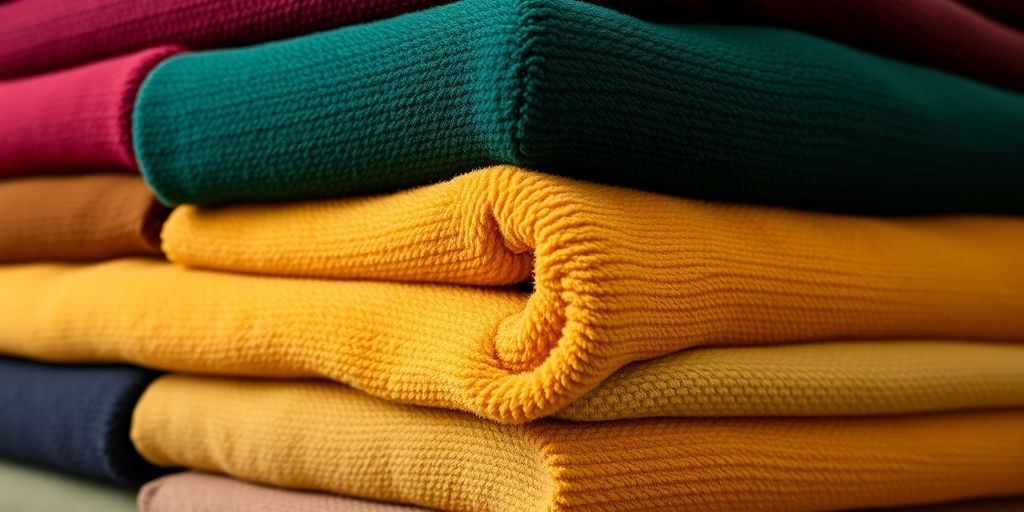
Choosing chenille upholstery fabric isn’t just about picking something that looks good; it’s also about how well it will perform in the real world. You need to think about color, style, and texture, but also how durable it is and how it will hold up against everyday wear and tear.
Harmonizing Color, Style, and Texture
Getting the right look is key. Chenille comes in a huge range of colors, from bold and bright to subtle and neutral. The color you pick should complement the room’s existing decor and create the vibe you’re going for. Style-wise, chenille can be traditional, modern, or somewhere in between, depending on the weave and pattern. And don’t forget about texture! Chenille’s signature soft, fuzzy feel can add a touch of luxury and comfort, but it’s important to make sure the texture works with the overall design.
Durability for Intended Use
Think about how the furniture will be used. Is it a sofa in a busy family room? Or a decorative chair in a formal living room? For high-traffic areas, you’ll want a more durable chenille blend that can withstand daily use. For less-used pieces, you might be able to get away with a more delicate fabric. It’s a balancing act between aesthetics and practicality.
Resistance to Environmental Factors
Sunlight, moisture, and temperature changes can all affect upholstery fabric. If the furniture will be exposed to direct sunlight, choose a chenille that is fade-resistant. If it’s in a humid environment, look for a fabric that is less prone to mildew. And if you have pets, consider a stain-resistant treatment to protect against accidents. Thinking about these factors upfront can save you a lot of headaches down the road.
Common Pitfalls in Wholesale Chenille Upholstery Fabric Procurement
It’s easy to get excited about buying chenille upholstery fabric wholesale, but there are some common mistakes that can really hurt your project or business. Let’s look at some of the big ones to watch out for.
Underestimating Durability Requirements
One of the first things people mess up is not thinking hard enough about how the fabric will be used. Chenille is nice, but it’s not indestructible. Choosing a fabric that can’t handle the wear and tear of everyday life is a recipe for disaster. If it’s for a high-traffic area, you need something tougher than if it’s just for a decorative pillow. Think about kids, pets, and how often the furniture will be used.
Neglecting Overall Cost-Effectiveness
Sure, the wholesale price looks great, but don’t just focus on that number. You need to think about the big picture. Cheaper fabric might not last as long, meaning you’ll have to replace it sooner. Plus, some fabrics are harder to clean or require special care, which adds to the cost over time. It’s better to spend a bit more upfront for something that will hold up and save you money in the long run. Consider these factors:
- Fabric lifespan
- Cleaning costs
- Potential for repairs
Inadequate Storage Planning
So, you got a great deal on a huge roll of chenille. Now what? Where are you going to put it? Not having a good storage plan can lead to damaged fabric, wasted space, and a general headache. You need a clean, dry place where the fabric won’t get crushed, faded, or dirty. Think about:
- Space availability
- Temperature and humidity control
- Protection from pests and sunlight
Optimizing Your Wholesale Chenille Upholstery Fabric Investment
So, you’re diving into the world of wholesale chenille upholstery fabric? Smart move! But to really make the most of it, you’ve gotta think strategically. It’s not just about buying a ton of fabric; it’s about making a smart investment that pays off in the long run. Let’s break down how to do it right.
Leveraging Supplier Knowledge and Support
Don’t underestimate the power of a good relationship with your supplier. They’re not just there to sell you fabric; they’re a wealth of information. Use them! Ask about the best uses for different types of chenille, cleaning tips, and even industry trends. A supplier who knows their stuff can be an invaluable asset, helping you avoid costly mistakes and make informed decisions. Plus, good support can save you a headache down the road if any issues pop up.
Understanding Minimum Order Requirements
Minimum order quantities (MOQs) can be tricky. You don’t want to end up with a mountain of fabric you can’t use, but you also want to hit the sweet spot for pricing. Before you commit, really understand the supplier’s MOQ. Can you mix and match colors or patterns to meet the minimum? Are there any discounts for larger orders that make sense for your project? Sometimes, it’s worth teaming up with another business to reach the MOQ and split the costs.
Ensuring Accurate Project Measurements
This might seem obvious, but it’s a step that’s easy to mess up. Before you even think about placing an order, double, triple, and quadruple-check your measurements. Account for seam allowances, pattern repeats, and any potential waste. It’s way better to have a little extra than to come up short and have to place another order (and potentially deal with dye lot variations). A detailed measurement plan is your best friend here. Consider these points:
- Measure twice, cut once (or in this case, order once).
- Factor in extra for complex patterns or furniture shapes.
- Keep a record of all measurements for future reference.
Want to make smart choices for your business when buying chenille fabric? Our guide helps you get the most bang for your buck. Learn how to pick the best fabrics and save money. Check out our website to find out more!
Conclusion
So, buying chenille upholstery fabric in bulk can really make a difference for your projects. You get better prices, which is always nice, and you can build good relationships with suppliers. That means you might get special deals down the road. Just remember to think about how much fabric you actually need so you don’t end up with too much or too little. Also, make sure you have a place to store it all. Picking the right quality and color is important too, so it looks good and lasts a long time. If you keep these things in mind, you’ll be set to find great fabric for whatever you’re working on.