
Understanding the Composition of Heavy Chenille Upholstery Fabric
Chenille upholstery fabric, especially the heavy-duty kind, is more than just a pretty face. It’s all about what goes into it – the fibers, the weave, and how it’s all put together. Understanding this stuff can really help you pick out quality sofa fabrics that will last.
Fiber Blends and Their Impact on Durability
Okay, so chenille can be made from a bunch of different fibers. You’ve got cotton, which is super soft, but maybe not the toughest. Then there’s polyester, which is way more durable and stain-resistant. And sometimes, you’ll see blends of both, trying to get the best of both worlds. The type of fiber really affects how the fabric holds up over time. For example:
- Cotton Chenille: Soft, comfy, but can wear down faster.
- Polyester Chenille: More resistant to stains and wear, but might not feel as luxurious.
- Blended Chenille: A mix of both, aiming for a balance of comfort and durability.
The Role of Weave Tightness in Fabric Strength
The weave is how the fibers are actually put together. A tighter weave means the fabric is denser and stronger. Think of it like this: a loosely woven chenille is easier to snag and pull apart, while a tightly woven one is much more resistant to damage. The tighter the weave, the more durable the fabric.
Pile Direction and Its Influence on Wear
Chenille has this fuzzy, almost velvety surface called the pile. The direction of the pile can actually affect how the fabric looks and wears over time. If the pile is all going in one direction, it can create a shading effect, where some areas look lighter or darker depending on the angle you’re looking at it. This can also affect how the fabric wears, as some directions might be more prone to matting or crushing. It’s something to keep in mind when you’re choosing chenille for your furniture.
Enhancing the Longevity of Heavy Chenille Upholstery Fabric
Strategic Placement to Mitigate Fading
Okay, so you’ve got this awesome chenille couch, right? Looks great, feels great. But here’s the thing: sunlight is its enemy. Seriously, direct sunlight can fade that beautiful color faster than you’d think. Think about where you’re putting your furniture. Is it going to be baking in the sun all day? If so, you might want to rethink things. Maybe move it away from the window, or get some heavy-duty curtains or blinds. Even a simple sheer curtain can make a difference by diffusing the light. Some chenille manufacturers even use chemicals to help with fading, but that only lasts so long. So, yeah, placement is key to keeping your chenille looking fresh.
The Importance of a Robust Supporting Structure
It’s not just about the fabric itself; what’s underneath matters too. Think of your upholstery like a team – the chenille is the star player, but it needs a good supporting cast. A solid frame is super important. If the frame is flimsy, it doesn’t matter how tough your chenille is; it’s going to wear out faster. Also, good padding and quality springs are a must. They protect the fabric from rubbing against the hard frame, which can cause wear and tear. Basically, a well-built piece of furniture will help your chenille last way longer. It’s like having a good foundation for a house – everything else builds on that.
Implementing Effective Cleaning Protocols
Alright, let’s talk cleaning. This is where things can get tricky. Chenille is soft and fuzzy, which is great, but it also means it can trap dirt and spills easily. Regular vacuuming is a must. I’m talking at least once a week, maybe more if you have pets or kids. Use the upholstery attachment on your vacuum to get into all the nooks and crannies. And when you do spill something, act fast! Blot it up with a clean cloth – don’t rub, or you’ll just spread the stain. Some chenille fabrics are pre-treated with stain-resistant finishes, which is awesome, but those wear off over time. Here’s a quick guide:
- Vacuum regularly.
- Blot spills immediately.
- Consider professional cleaning.
- Rotate cushions to even out wear.
For tougher stains, you might need to call in a pro. And always check the manufacturer’s instructions before you try any cleaning products yourself. You don’t want to end up ruining your upholstery lining fabric!
Maintaining the Aesthetic and Structural Integrity of Heavy Chenille Upholstery Fabric
Regular Cleaning Practices for Optimal Performance
Okay, so you’ve got this awesome chenille upholstery, right? You want to keep it looking great. Regular cleaning is key. I’m not talking about a deep clean every week, but a little bit of upkeep goes a long way. Vacuuming is your best friend. Seriously, get a good vacuum with an upholstery attachment and use it regularly. This prevents dust and crumbs from settling deep into the fibers. Think of it like brushing your teeth – you do it every day to prevent bigger problems later. Also, consider a fabric refresher spray every now and then to keep things smelling fresh. It’s a small thing that makes a big difference. Make sure you are using the right sofa fabric for your needs.
Addressing Stains and Spills Promptly
Spills happen. It’s a fact of life, especially if you have kids or pets. The key is to act fast. Don’t let that coffee or wine soak in! Grab a clean cloth and blot the spill immediately. Don’t rub, blot! Rubbing just pushes the stain deeper into the fabric. If it’s a stubborn stain, try a mild detergent mixed with water. Test it on a hidden area first to make sure it doesn’t discolor the fabric. There are also tons of stain removers out there specifically designed for upholstery. Just read the instructions carefully before you use them. Prompt action is the best defense against permanent stains.
Professional Care for Extended Fabric Life
Sometimes, no matter how hard you try, you just can’t get your upholstery as clean as you’d like. That’s where the pros come in. Professional upholstery cleaning can do wonders for bringing your chenille back to life. They have the equipment and expertise to deep clean without damaging the fabric. Think of it as a spa day for your furniture. How often should you do it? It depends on how much use your furniture gets, but once a year is a good rule of thumb. Plus, they can often apply stain protectants to help prevent future spills from becoming permanent problems. It’s an investment, but it’s worth it to keep your furniture looking its best for years to come.
Factors Influencing the Durability of Heavy Chenille Upholstery Fabric
The Significance of Weave Density
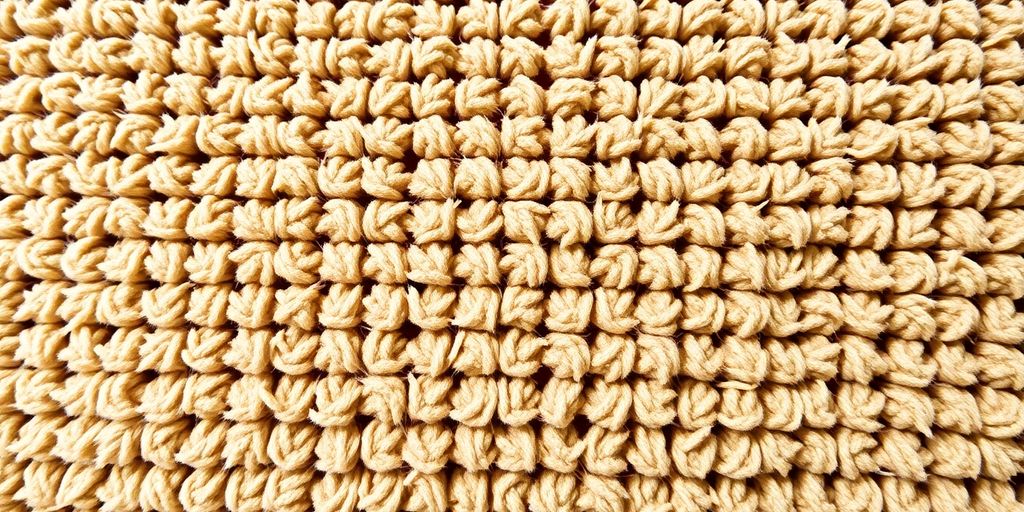
Okay, so you’re thinking about getting some heavy chenille upholstery, right? One thing that really matters is how tightly the fabric is woven. Think of it like this: the closer the threads, the stronger the fabric. A higher weave density means the fabric can withstand more wear and tear before it starts to show signs of damage. It’s pretty simple, really. If the weave is loose, it’s gonna fall apart faster. I saw some sofa upholstery fabrics the other day, and you could totally tell the difference just by looking at them.
Optimizing Pile Alignment for Reduced Wear
Another thing that affects how long your chenille lasts is the pile direction. The "pile" is that fuzzy, raised surface that makes chenille so comfy. If the pile is all going the wrong way, or gets messed up, it can wear down super fast. Ideally, the pile should run in a direction that corresponds to how people usually sit on the furniture. For example:
- On seat cushions, the pile should face forward.
- On back cushions, the pile should face downward.
- Make sure to fluff and realign the pile every so often.
This helps reduce friction and keeps the fabric looking good for longer. It’s kind of like combing your hair – you want it all going in the same direction to avoid tangles and breakage. I’ve found that paying attention to pile alignment can really extend the life of my furniture.
Preventative Measures Against Environmental Degradation
Finally, don’t forget about the environment! Sunlight, moisture, and even just everyday dirt can really mess with your chenille. Direct sunlight can fade the color, and moisture can lead to mold or mildew. Here are some things you can do:
- Keep your furniture away from direct sunlight. Use curtains or blinds to block those UV rays.
- Clean up spills right away. Don’t let them sit and soak in.
- Vacuum regularly to get rid of dust and dirt. This prevents buildup that can damage the fibers over time.
Taking these steps can really help protect your chenille and keep it looking great for years to come. It’s all about being proactive and understanding maintenance requirements.
Selecting High-Quality Heavy Chenille Upholstery Fabric
Choosing the right heavy chenille upholstery fabric can feel overwhelming, but it’s worth the effort. You want something that looks great and holds up to everyday life. Let’s break down what to look for.
Assessing Fabric Composition for Performance
When you’re picking out chenille, pay close attention to what it’s made of. Different fibers mean different things for how it feels and how long it lasts. Cotton chenille is super soft, but it might not be the best for high-traffic areas. Polyester blends are usually more durable and stain-resistant, which is great if you have kids or pets. Rayon adds a nice sheen, but it can be less resistant to wear and tear. The best approach is to find a balance that suits your lifestyle.
Evaluating Texture and Comfort Characteristics
Texture is a big deal with chenille. You want something that feels good to the touch, but also looks good on your furniture. A tightly woven chenille will generally be more durable and less prone to snagging. Consider the pile height, too. A higher pile can feel more luxurious, but it might also show wear more easily. Think about how the fabric will feel against your skin – is it soft and inviting, or a bit rough? This makes a big difference in how much you enjoy your furniture. You can find various sofa fabrics at Haining Leading Textile Co.,Ltd.
Considering Color and Pattern Longevity
Color and pattern are important for the overall look of your room, but they also affect how well your upholstery holds up over time. Darker colors tend to hide stains and wear better than lighter ones. If you’re going for a pattern, think about how it will look as the fabric ages. A busy pattern might hide wear and tear better than a solid color, but it could also go out of style faster. Also, consider how well the color is dyed into the fabric. A higher quality dye job will resist fading better, especially if your furniture is exposed to sunlight. Think about how the chenille upholstery fabric will look in a few years.
Practical Considerations for Heavy Chenille Upholstery Fabric
Understanding Maintenance Requirements
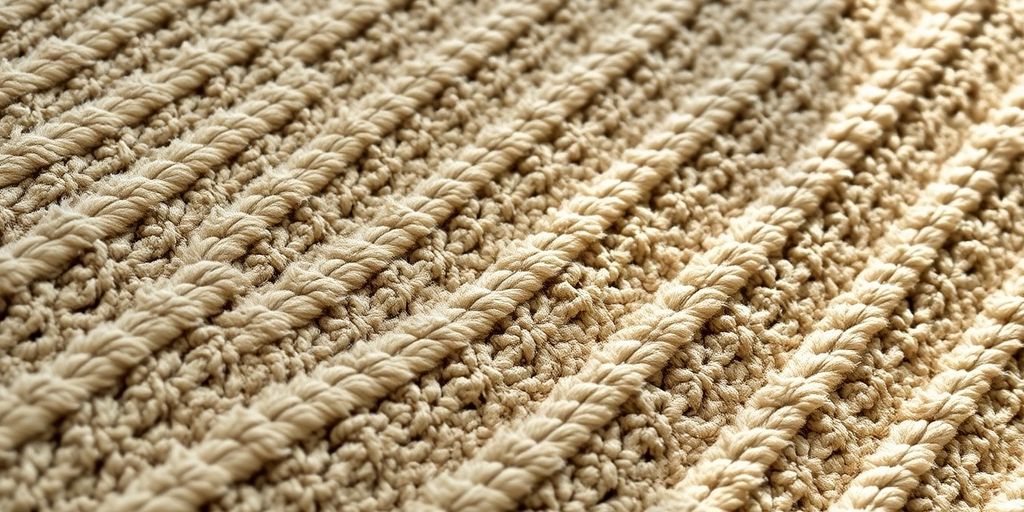
Okay, so you’ve got this gorgeous chenille fabric on your sofa. Now what? Well, it’s not a ‘set it and forget it’ kind of deal. Chenille needs some love to stay looking its best. Think of it like a high-maintenance houseplant – beautiful, but demanding. Regular vacuuming is a must to get rid of dust and crumbs. And spot cleaning? Be ready to pounce on spills ASAP. Don’t rub, blot! Rubbing just makes things worse, trust me. Some chenille can be machine-washed (check the label!), but professional cleaning is often the safest bet for big messes or just a refresh. Basically, be prepared to put in a little effort to keep that chenille looking plush.
Protecting Against Sunlight Exposure
Sunlight is chenille’s enemy. Seriously. Those UV rays can fade the color and weaken the fibers over time. Nobody wants a bleached-out, sad-looking sofa. So, what can you do? Simple: block the sun! Curtains, blinds, even tinted windows can make a huge difference. Think about where your furniture is placed. Is it getting blasted by sunlight all day long? If so, maybe rearrange things. A little shade goes a long way in preserving the life and vibrancy of your sofa upholstery lining.
The Impact of Furniture Frame on Fabric Durability
Okay, this might sound weird, but the frame of your furniture actually matters for how long your chenille lasts. A solid, well-built frame provides good support, which means the fabric isn’t constantly being stressed and stretched in weird ways. A wobbly, cheap frame? That’s just asking for trouble. Think about it: if the frame is shifting and creaking, the fabric has to work harder to hold everything together. This extra stress can lead to premature wear and tear, especially at the seams. So, when you’re buying furniture, don’t just focus on the fabric. Take a look at the frame, too. A good frame is an investment in the long-term durability of your clothing fabrics.
The Inherent Benefits of Heavy Chenille Upholstery Fabric
Luxurious Texture and Tactile Appeal
Okay, so, let’s talk about why people actually like chenille. I mean, beyond just saying it’s durable. The big thing is the feel. It’s soft. Really soft. Like, sink-into-it soft. Think about it: after a long day, who doesn’t want to collapse onto a suede sofa fabric that feels like a hug? It’s not just about looks; it’s about comfort, and chenille nails that. It brings a certain warmth and coziness to a room that’s hard to beat.
Intrinsic Durability for Everyday Use
Don’t let the softness fool you. Heavy chenille is surprisingly tough. It can handle a lot of wear and tear, which is great if you have kids, pets, or, you know, just use your furniture. It’s not indestructible, obviously, but it holds up way better than you might expect. Plus, because of the way it’s made, it tends to hide wear and tear pretty well. So, those little imperfections? They just kind of blend in, which is a huge win in my book.
Versatility in Color and Design Options
One of the best things about chenille is that it comes in basically every color and pattern you can imagine. Seriously. Want something bold and bright? Go for it. Prefer something subtle and neutral? No problem. Chenille can do it all. This makes it super easy to find something that fits your existing decor or to create a whole new look. It’s a blank canvas, really, and that’s pretty cool. You can find chenille upholstery fabric in many styles.
Heavy chenille fabric is a great choice for your furniture because it’s super strong and lasts a long time. It also feels really soft and cozy, making your home feel warm and inviting. Want to see all the cool ways this fabric can make your furniture look amazing? Check out our website for more ideas!
Conclusion
So, what’s the deal with heavy chenille upholstery fabric? Well, it’s pretty clear that how long it lasts depends on a bunch of things. But here’s the good news: you can actually control most of those things. Chenille is a tough fabric, and it usually holds up better than a lot of other upholstery materials. Plus, it’s not a pain to clean, and that soft, fuzzy feel? Super comfy and inviting. If you’re looking for something for your family couch or office furniture, chenille is a solid pick for everyday use. It’s a good choice, really.