
Understanding Chenille Upholstery Fabric
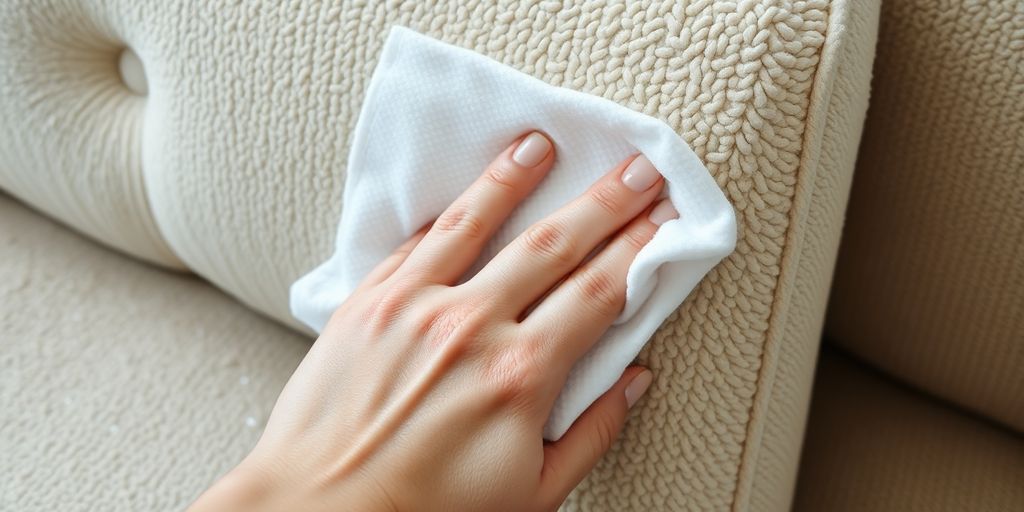
Chenille upholstery fabric is super popular, and it’s easy to see why. It’s soft, feels great, and just looks classy. You know, the kind of fabric that makes you want to sink into your couch with a good book. But, like anything nice, it needs a little TLC to keep it looking its best. Let’s get into what makes chenille special and how to keep it in tip-top shape.
The Unique Composition of Chenille
So, what exactly is chenille? Well, the word "chenille" actually comes from French, and it means "caterpillar." That gives you a hint about its look and feel, right? It’s made by weaving little bits of yarn between two core threads. This is what gives it that fuzzy, almost velvety texture. This construction is what makes chenille so soft and gives it that unique look that people love. It also means it needs a bit more care than your average fabric.
Delicate Nature of Chenille Fibers
Because of how it’s made, chenille is more delicate than some other fabrics you might find on your furniture. Those little fibers can be sensitive. Think of it like having a really nice sweater – you wouldn’t just throw it in the wash with everything else, would you? Chenille is kind of the same way. It can be prone to wear and tear if you’re not careful. That doesn’t mean you can’t have it, though! It just means you need to be a little more mindful about how you clean and care for it. We’ll get into all the details on how to do that so your chenille stays looking great for years to come.
Essential Preparatory Steps for Cleaning Chenille
Before you even think about getting your chenille upholstery wet, there are a few things you absolutely need to do. Trust me, skipping these steps can lead to disaster. It’s like trying to bake a cake without preheating the oven – you might get something edible, but it won’t be pretty.
Consulting Manufacturer’s Care Instructions
First things first: find that care label! It’s usually tucked away somewhere inconspicuous, but it holds the key to not ruining your furniture. The care label tells you exactly what you can and can’t do to your specific chenille fabric. Look for codes like "W" (water-based cleaner), "S" (solvent-based cleaner), "WS" (either water or solvent), or "X" (professional cleaning only). Ignoring this label is a gamble you probably don’t want to take. It’s like ignoring the instructions on a medicine bottle – things could go south fast.
Initial Dry Cleaning Methods
Before you even think about wet cleaning, give your chenille a good once-over with a vacuum. But not just any vacuuming! Use the upholstery attachment and a low-suction setting. High suction can damage the delicate fibers. Think of it like this: you wouldn’t use a power washer on a kitten, would you? The same principle applies here. Get into all the nooks and crannies to remove loose dirt, dust, and pet hair. This makes any subsequent cleaning much more effective. You can also use a soft-bristled brush to gently loosen any stubborn debris.
Pre-Cleaning for Optimal Results
Before you go all-in, test your cleaning solution in a hidden spot. This is super important! Pick a spot that no one will see, like the back of a cushion or underneath the sofa. Apply a small amount of your chosen cleaner and let it sit for a few minutes. Then, blot it with a clean, white cloth. If there’s any color transfer or damage, stop right there! You’ll need to find a different cleaning method. If all looks good, you’re clear to proceed with cleaning the rest of the upholstery. It’s like doing a patch test before dyeing your hair – better safe than sorry!
Effective Spot Treatment Techniques for Chenille
Alright, so you’ve got a stain on your chenille upholstery. Don’t panic! Spot treatment is your friend. It’s all about addressing the stain directly without soaking the entire couch. Here’s how to do it right.
Gentle Blotting for Spills
First things first: act fast! The quicker you address a spill, the easier it is to remove. Grab a clean, white cloth (color is important, you don’t want to transfer dye!) and gently blot the spill. Don’t rub! Rubbing just pushes the stain deeper into the fibers and spreads it out. Think of blotting as gently soaking up the mess, lifting it away from the fabric. Work from the outside of the stain inward to prevent it from spreading further.
Utilizing Mild Detergent Solutions
If blotting alone doesn’t do the trick, it’s time to bring in a mild detergent solution. Mix a small amount of gentle dish soap (think something without dyes or strong fragrances) with lukewarm water. You want a very diluted solution. Dip a clean cloth into the soapy water, wring it out really well (you don’t want it dripping!), and then gently blot the stain. Again, no rubbing! After blotting with the detergent solution, use another clean, damp cloth to blot away any soap residue. It’s important to remove all the soap, as it can attract dirt over time.
Avoiding Harsh Chemicals and Abrasive Actions
This is a big one: stay away from harsh chemicals and abrasive cleaners! Bleach, strong solvents, and anything with a scouring agent are a no-go. They can damage the delicate chenille fibers, fade the color, or even dissolve the fabric. Also, avoid using stiff brushes or scrubbing too hard. Chenille is a delicate fabric, and rough treatment can cause the pile to flatten or become matted. Always test any cleaning solution in an inconspicuous area first to make sure it doesn’t cause any discoloration or damage. Better safe than sorry!
Regular Maintenance for Chenille Upholstery
Okay, so you’ve got this super soft chenille upholstery, right? It’s all plush and comfy, but it needs some love to keep it looking good. Regular maintenance is key – think of it like brushing your hair, but for your furniture. If you skip it, things can get a little…rough. Here’s the lowdown:
Consistent Vacuuming Practices
Seriously, vacuuming is your best friend. I try to do it at least once a week, especially on the sofa because, let’s be real, that’s where everyone hangs out. Use that brush attachment – the one that looks like a little comb. It’s gentle and won’t pull at the fibers. Regular vacuuming prevents dirt and crumbs from embedding themselves in the fabric, which can cause wear and tear over time.
Brushing to Restore Pile
Ever notice how some spots on your chenille look a little flat? That’s where brushing comes in. Get a soft-bristled brush (like, the kind you might use on a baby) and gently brush the fabric in the direction of the nap. This helps fluff up the fibers and brings back that plush texture. It’s kind of like giving your upholstery a little massage. I usually do this after vacuuming.
Strategic Cushion Rotation
This one’s super easy and makes a big difference. Just like rotating tires on your car, rotating your cushions helps distribute wear evenly. Flip them over, switch them around – whatever works. This prevents those dreaded "favorite spot" indentations and keeps the fabric looking fresh. Plus, it stops the sun from fading one spot more than another. I try to do this every couple of weeks, or whenever I remember. Honestly, it’s a game changer.
Considerations for Different Chenille Fabric Types
Chenille is awesome for upholstery, but not all chenille is created equal! The fiber content really changes how you should clean and care for it. Let’s break down the most common types.
Cleaning Cotton, Polyester, and Acrylic Chenille
Okay, so these are your workhorse chenilles. They’re generally pretty durable and can handle more regular cleaning. You can usually get away with using a mild detergent and warm water on these guys. Just avoid bleach or fabric softeners, because those can mess with the fibers and ruin the texture. I’ve had good luck with spot cleaning these types with a damp cloth and a tiny bit of dish soap. Always test in an inconspicuous area first, though!
Specific Care for Rayon Chenille
Rayon chenille is where things get a little trickier. It’s super soft and luxurious, but also way more delicate than cotton, polyester, or acrylic. You’ll want to use a gentle, pH-neutral cleaner and cold water only. Hot water is a big no-no because it can cause the fabric to shrink or lose its shape. I learned that the hard way when I tried to wash a rayon chenille throw blanket – it came out looking like it belonged to a dollhouse! So, yeah, be careful with this one.
Protecting Chenille Upholstery from Damage
Chenille upholstery is so comfy, but it can be a bit of a pain to keep in good shape. It’s not the most durable fabric out there, so you gotta take some extra steps to protect it. Here’s what I’ve learned about keeping my chenille furniture looking decent.
Shielding from Direct Sunlight Exposure
Sunlight is a chenille’s worst enemy. It fades the color like crazy. I had a throw pillow that went from a vibrant blue to a sad, pale version in just a few months because it was sitting in direct sunlight. Now, I make sure to keep my chenille furniture away from windows, especially during peak sun hours. Curtains or blinds are a lifesaver. If you can’t move the furniture, try rotating the cushions regularly to even out the fading.
Preventing Pet-Related Wear and Tear
Okay, this is a big one if you have pets. My cat, Whiskers, loves to knead on the chenille couch, and let me tell you, it shows. Pet claws can snag the fibers and cause pulls, and pet hair just clings to the fabric. Training your pets to stay off the furniture is ideal, but let’s be real, that’s not always possible. I use pet-friendly throws and covers to protect the fabric. They’re easy to wash and save the actual upholstery from getting destroyed. Regular vacuuming helps a lot with the pet hair situation, too.
Avoiding Harsh Chemicals and Dyes
This seems obvious, but it’s worth repeating: harsh chemicals are a no-go for chenille. Bleach, ammonia, anything like that will ruin the fabric. Even some dyes can cause problems. I learned this the hard way when I tried to clean a stain with a generic cleaning spray and ended up with a bleached-out spot. Always use a gentle, pH-neutral cleaner specifically designed for delicate fabrics. And test it on a hidden area first to make sure it doesn’t cause any discoloration.
When to Seek Professional Chenille Cleaning
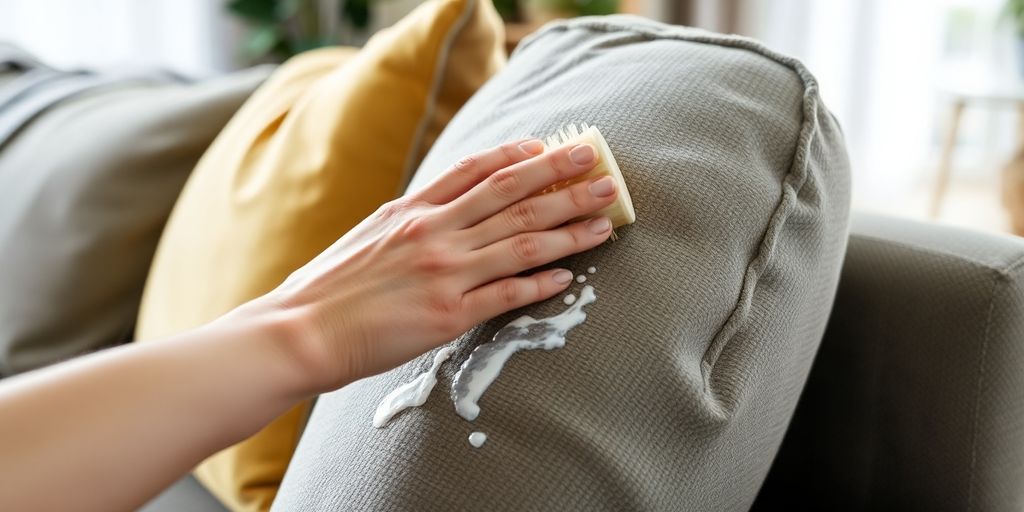
Okay, so you’ve been spot-cleaning, vacuuming, and rotating those cushions like a champ. But sometimes, life throws a spaghetti-sauce-covered curveball at your chenille upholstery. That’s when it’s time to call in the pros. Seriously, don’t be a hero and risk ruining your favorite couch.
Identifying Stubborn Stains
We’ve all been there: a stain that just. Won’t. Budge. You’ve tried everything short of sacrificing a firstborn, and it’s still glaring back at you. If you’re dealing with ink, red wine that’s been there for a week, or some mystery goo courtesy of the kids, it’s time to tap out. Professional cleaners have specialized tools and solutions that can tackle those deep-set stains without damaging the delicate chenille fibers. They know their stuff, trust me.
Addressing Extensive Soiling
Maybe it’s not one specific stain, but the overall vibe of your chenille furniture is… dingy. Like, it’s seen better days, and those days were probably before the dog discovered it was the perfect napping spot. If your entire sofa looks like it needs a serious spa day, a professional cleaning is the way to go. They have the equipment to give it a thorough, all-over clean that your little handheld vacuum just can’t match. Think of it as a reset button for your furniture.
Preserving Fabric Integrity
Chenille is a beautiful, but delicate, fabric. You don’t want to risk damaging it with harsh chemicals or improper cleaning techniques. If you’re unsure about the best way to clean your chenille, or if you’re dealing with a particularly valuable or antique piece, it’s always best to err on the side of caution and call a professional. They can assess the fabric, determine the best cleaning method, and ensure that your upholstery stays in tip-top shape for years to come. Plus, they can often apply protectants to help prevent future stains. It’s an investment in the long-term health of your furniture!
Knowing when to call in the pros for your chenille items is key. If you’re dealing with tough stains, a lot of dirt, or just want your chenille to look its best, professional cleaning is often the smartest choice. Our experts can handle even the trickiest situations, making sure your fabric is cleaned safely and effectively. Visit our website to learn more about our services and how we can help restore your chenille’s beauty.
Wrapping It Up
So, there you have it. Taking care of your chenille upholstery might seem like a big deal at first, but it’s really not that bad. The main thing is to keep up with regular cleaning, like vacuuming and brushing, to stop dirt from building up. And if you spill something, don’t panic! Just blot it right away with a gentle cleaner. Remember to always check the care tag on your specific fabric, because not all chenille is the same. Some can handle a bit more, while others need a lighter touch. By following these simple steps, your chenille pieces will stay looking good and feeling soft for a long time. It’s all about being consistent and knowing what your fabric needs.