
Defining the Garment in Textile Production
The Fundamental Concept of a Garment
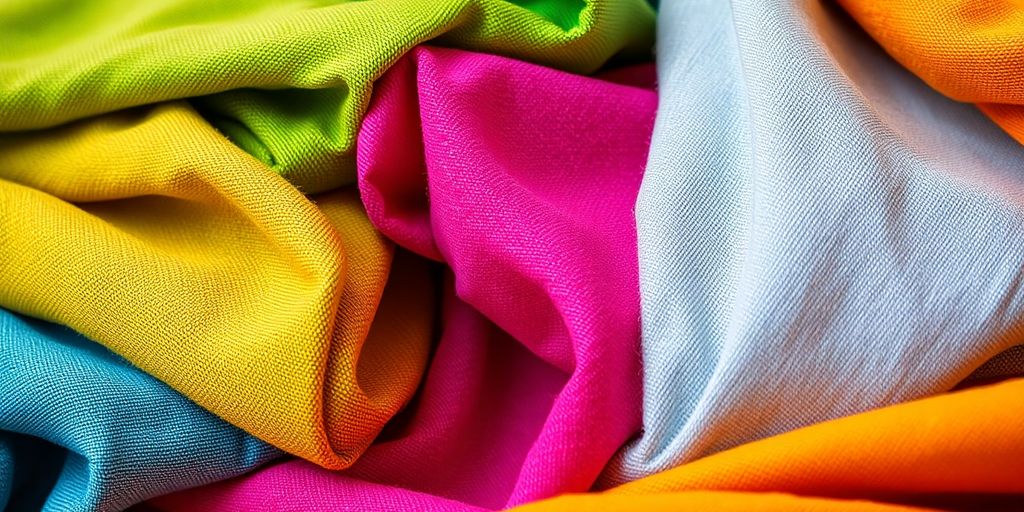
A garment is essentially an item of clothing. It’s what people wear to cover their bodies. Think of it as the finished product that comes from all the work done with textiles. It’s not just about fabric; it’s about how that fabric is shaped and put together to be worn. The primary purpose of a garment is to provide protection, modesty, and adornment for the wearer. This simple definition covers everything from a basic t-shirt to a complex formal gown.
Distinguishing Garments from Other Textile Products
While all garments are made from textiles, not all textiles are garments. For example, a bolt of fabric is a textile, but it’s not a garment until it’s cut and sewn into something wearable. Other textile products include things like towels, blankets, curtains, or upholstery. These items use textiles but aren’t designed to be worn on the body. The key difference lies in their intended use and form.
Here’s a quick way to think about it:
- Garments: Designed for wearing on the body.
- Other Textile Products: Used for home furnishings, cleaning, or other purposes.
The Role of Garments in Human Needs and Culture
Garments do more than just cover us. They play a big part in our lives. They help us stay comfortable in different weather, like keeping us warm in the cold or cool in the heat. They also help us express ourselves and show who we are or what groups we belong to. Different cultures have different clothing styles that mean specific things. Think about uniforms for jobs or special outfits for celebrations. Clothing is tied to our identity and how we present ourselves to the world.
The Garment Manufacturing Lifecycle
The journey of a garment from an idea to a finished product is a complex, multi-stage process. It requires careful planning, precise execution, and a keen eye for detail at every step. This lifecycle ensures that the final piece meets design specifications, quality standards, and consumer expectations.
Design and Pattern Making Processes
This initial phase is where the garment’s concept takes shape. Designers translate creative visions into tangible blueprints. This involves sketching initial ideas, selecting fabrics and trims, and then creating detailed technical specifications. Following the design, pattern makers translate these 2D designs into 3D patterns. These patterns are the templates used to cut fabric pieces. Traditionally done by hand, pattern making is now often assisted by Computer-Aided Design (CAD) software, which allows for greater precision and efficiency. The process includes:
- Sketching and Concept Development: Initial visual representation of the garment.
- Technical Pack Creation: Detailed specifications including measurements, materials, and construction methods.
- Pattern Drafting: Creating the flat pattern pieces for each part of the garment.
- Pattern Grading: Scaling the base pattern to create different sizes.
- Marker Making: Arranging pattern pieces efficiently on fabric to minimize waste during cutting.
Sample Creation and Approval
Once patterns are finalized, a sample garment is produced. This prototype serves as a physical representation of the design and is used to assess fit, construction, and overall appearance. Multiple rounds of sampling may occur, with revisions made based on feedback from designers, buyers, or technical teams. This iterative process is critical for refining the garment before mass production begins. Key aspects include:
- First Sample: An initial prototype to check the overall design and fit.
- Fit Sample: A sample specifically for evaluating how the garment drapes and fits on a model or mannequin.
- Pre-Production Sample (PPS): A sample made using the actual production materials and methods, representing the final product.
- Buyer Approval: The final sign-off from the client or brand, authorizing the commencement of bulk production.
Bulk Production and Assembly
With an approved sample in hand, the manufacturing process moves to large-scale production. This involves cutting fabric in large quantities, sewing the pieces together, and applying finishing touches. Efficiency, coordination, and quality control are paramount during this stage to manage high volumes and meet delivery deadlines. The assembly line is meticulously organized, with each station responsible for specific tasks, such as sewing seams, attaching sleeves, or adding buttons. The entire manufacturing lifecycle is a testament to the intricate coordination required in the textile industry.
Key Stages in Garment Production
Making a garment involves a series of steps, each important for the final product. It’s not just about sewing; there’s a whole process before and after that.
Fabric Preparation and Cutting
First off, you’ve got to get the fabric ready. This often means letting it sit for a bit, which helps it relax and prevents it from shrinking or getting weirdly strained later on. After that, the fabric is spread out, usually on a long table. This is where you can spot any flaws in the material. Then comes the cutting. This is a big deal because once the fabric is cut, there’s no going back. The pieces have to match a specific pattern, called a marker. You can cut by hand with a sharp knife, or use machines. After cutting, all the pieces are sorted and bundled up, usually with a tag that tells you what they are. This is super important for keeping things organized, especially when you’re making a lot of the same item.
Sewing and Assembly Techniques
This is where it all comes together. All those cut fabric pieces are sewn together to form the garment. This part really depends on the skill of the people doing the sewing. They use different machines and techniques to join the pieces, creating seams and attaching things like collars or sleeves. It’s a detailed process that requires precision to make sure everything lines up correctly and the garment looks right.
Finishing and Quality Control
Once the garment is sewn, it’s not quite done. There’s a finishing stage. This can involve things like cleaning off any stray marks or threads, and ironing the garment to give it a neat appearance. Quality control happens throughout, but there’s a final check too. Inspectors look for any problems, like crooked seams or fabric defects. If they find issues, the garment might need to be fixed or might not pass. The goal is to make sure the finished product meets all the required standards and looks good. Finally, the garments are packed, often in specific bags as requested by the buyer, and then they’re ready to be shipped out.
Materials and Their Impact on Garments
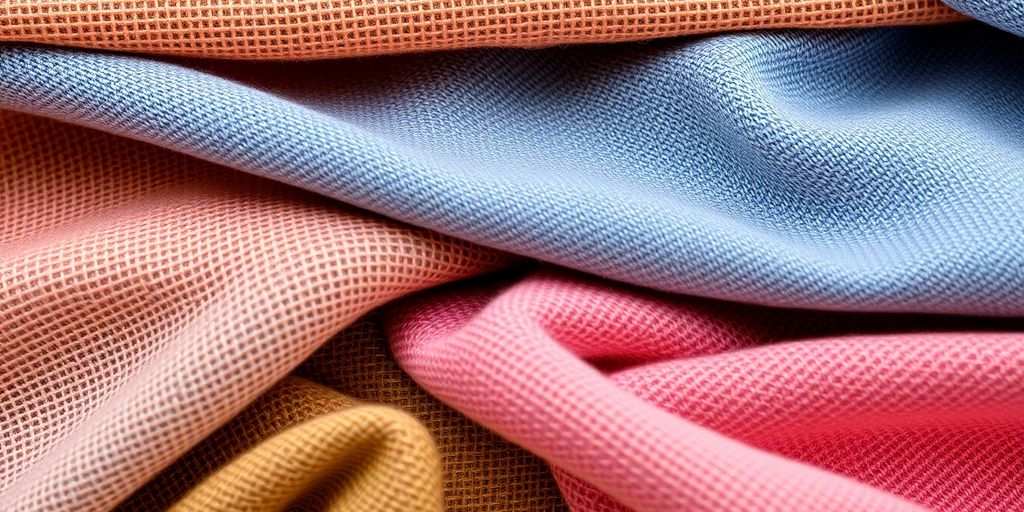
When we talk about clothes, it’s not just about how they look or feel on the outside. What a garment is actually made from plays a huge role in how it behaves, how it lasts, and even how it makes you feel. It’s like the foundation of a house – you can’t really judge the whole structure without knowing what it’s built on.
Natural Fiber Classifications
Nature gives us a lot of good stuff to work with when it comes to fabrics. These fibers come straight from plants or animals, and they’ve been used for ages because they’re usually pretty comfortable and break down easier than man-made stuff. Think about cotton, linen, wool, and silk – these are the big players.
- Cotton: Comes from the cotton plant. It’s soft, breathable, and good at soaking up moisture, which is why it’s used in everything from t-shirts to jeans. It can wrinkle, though.
- Linen: Made from flax plants. It’s known for being strong, breathable, and getting softer with age. It wrinkles easily, but some people like that lived-in look.
- Wool: Comes from sheep (and other animals like goats or alpacas). It’s warm, insulating, and can absorb a lot of moisture without feeling wet. Different types of wool have different textures and warmth levels.
- Silk: Produced by silkworms. It’s known for its smooth texture, natural sheen, and strength. It feels luxurious but can be delicate and needs special care.
Synthetic Fiber Classifications
These are the fabrics made in factories using chemicals. They’ve really changed the clothing game because they can be made to do specific things – like resist wrinkles, stretch, or repel water. They’re often more affordable and durable than natural fibers, but they don’t always breathe as well, and their environmental impact is something to consider.
- Polyester: Super common. It’s strong, resists wrinkles and shrinking, and dries quickly. You find it in activewear, outerwear, and blended with other fibers.
- Nylon: Also very strong and elastic. It’s used in things like stockings, swimwear, and activewear because it’s durable and can stretch.
- Acrylic: Often used as a substitute for wool because it’s warm, soft, and lightweight. It’s good for sweaters and blankets.
- Spandex (or Elastane/Lycra): This is the magic fiber that gives clothes stretch. It’s almost always blended with other fibers to make them more comfortable and allow for movement.
Inorganic Fibers in Textile Applications
While most clothing is made from natural or synthetic fibers, there are also inorganic fibers used in textiles, though less commonly for everyday wear. These materials are often chosen for specific performance characteristics like heat resistance or strength. For example, metallic fibers can be woven into fabrics for decorative effects or to add conductivity. Fiberglass is used in industrial applications for its strength and fire resistance. Carbon fibers are increasingly being explored for high-performance textiles due to their exceptional strength-to-weight ratio. These materials are typically processed differently and have very specialized uses within the broader textile industry.
Textile Production Methods for Garments
Weaving Techniques and Applications
Weaving is a method where yarns are interlaced in specific patterns, typically using a loom. This process creates fabrics with distinct structures, like plain weave, twill, and satin. Each weave type affects the fabric’s drape, strength, and appearance. For instance, plain weave is common for everyday shirts and bed linens due to its simplicity and durability. Twill weaves, seen in denim, offer diagonal lines and greater resilience. Satin weaves produce a smooth, lustrous surface, often used for formal wear and upholstery.
Knitting and Crocheting Processes
Knitting involves creating fabric by interlocking loops of yarn. This can be done by hand with needles or by automated machinery. Knit fabrics are known for their stretch and comfort, making them ideal for activewear, sweaters, and socks. Different knitting techniques, such as jersey, rib, and purl, result in varied textures and properties. Crocheting, similar to knitting but using a single hook, also produces unique textures and is often used for decorative items, blankets, and some apparel.
Non-Woven Textile Creation
Non-woven textiles are made by bonding or interlocking fibers through mechanical, thermal, or chemical means, rather than weaving or knitting. This process bypasses the yarn stage entirely. Examples include felt, which is made by matting fibers together, and spunbond fabrics, used in medical gowns and filters. Non-wovens offer unique properties like absorbency, filtration, and strength, depending on the fiber type and manufacturing method. They are widely used in hygiene products, geotextiles, and industrial applications.
Quality Assurance in Garment Manufacturing
Quality assurance in garment manufacturing is all about making sure the clothes that come off the production line are what they’re supposed to be. It’s not just about looking good; it’s about making sure the garment holds up, fits right, and meets all the buyer’s specifications. Think of it as the final check before a piece of clothing goes out into the world.
Inspection Protocols for Finished Goods
When a batch of garments is finished, they go through a series of checks. This usually starts with a visual inspection. People look for obvious problems like skipped stitches, loose threads, or fabric flaws. Then, measurements are taken to make sure the garment is the correct size according to the pattern. Buttons, zippers, and any other trims are also checked to see if they’re attached properly and work correctly. Sometimes, a sample from the batch is tested for things like colorfastness or how it holds up after a wash.
Addressing Production Defects
If a problem is found, it needs to be fixed. Minor issues, like a few loose threads or a small stain, might be repaired right there. The garment might be sent back for spot cleaning or have a few stitches redone. If the defect is more serious, like a major sewing error or a fabric tear, the garment might be rejected or sent back for more significant rework. The goal is to catch and correct as many issues as possible before the clothes are packed.
Final Product Verification
This is the last step. It’s a final review to confirm that all previous inspections have been passed and that any defects found have been properly corrected. This might involve a final visual check and a review of the inspection reports. Sometimes, the buyer or their representative will do this final verification themselves to give the go-ahead for shipping. It’s the last chance to catch anything that might have been missed.
The Global Economic Significance of Garments
The garment industry is a massive global player, touching economies everywhere. It’s not just about clothes; it’s about jobs, trade, and how countries develop. Think about it: from the cotton fields to the sewing machines, and then to the stores, a lot of people are involved.
Market Size and Growth Projections
The textile and garment sector is huge, valued at nearly a trillion dollars globally in recent years. Projections show it’s set to keep growing, maybe around 4% each year. This means more business, more production, and more opportunities.
Job Creation and Economic Development
This industry is a big employer, especially in developing countries. It provides jobs for millions, from farmers growing fibers to factory workers and designers. This employment helps lift communities and boosts national economies.
Investment Opportunities in the Sector
Because it’s such a large and growing market, there are many ways to invest. You can look at companies that make the fabrics, those that design and produce the clothes, or even those involved in getting the products to consumers. With changes in technology and a growing focus on sustainability, there are always new areas to explore for investment.
The clothing industry plays a huge role in the world’s economy. It provides jobs for many people and creates goods that are used everywhere. From the threads in our clothes to the finished products on store shelves, this business impacts economies globally. Want to learn more about how fabrics shape our world? Visit our website to explore our collection of quality textiles.
Wrapping Up Our Textile Journey
So, we’ve gone through a lot about how clothes are made, from the threads themselves to the final stitch. It’s a pretty big deal, this whole textile and garment thing. It’s not just about what we wear every day; it’s a massive industry that touches economies and people all over the world. Thinking about the different ways fabrics are put together – like weaving or knitting – and all the steps from cutting the cloth to sewing it up, it really shows how much work goes into each piece. Plus, with people caring more about where their clothes come from and how they’re made, things like being good to the environment and treating workers fairly are becoming super important. It’s a complex world, but understanding these basics helps us all appreciate the clothes we have a little more and make smarter choices.