
When we talk about clothing, we’re really talking about garments. But what exactly makes one piece of clothing a “garment type” and how do we sort them all out? It’s not just about what looks good; it’s about function, construction, and even where and when we wear them. Think of it like sorting tools – you wouldn’t use a hammer to screw in a bolt, right? Clothing works the same way. Understanding these categories helps us pick the right outfit, whether we’re heading to the office, hitting the gym, or attending a wedding. It makes shopping easier and helps us build a wardrobe that actually works for our lives.
Defining Garments Versus Clothing
It’s a subtle difference, but important. “Clothing” is the broad term for anything we wear to cover our bodies. “Garments,” on the other hand, refer to the individual pieces of clothing – like a shirt, a pair of pants, or a dress. So, while all garments are clothing, not all clothing is necessarily a specific garment type until we categorize it.
The Purpose of Garment Classification
Why bother sorting clothes into types? Well, it helps us make sense of the vast world of apparel. Classification allows us to:
- Identify Function: Quickly know if a piece is meant for sports, work, or a casual day out.
- Understand Occasion: Match outfits to specific events or settings.
- Guide Selection: Make informed choices when shopping or packing.
- Facilitate Design: Help designers and manufacturers create specific lines of clothing.
Key Factors in Garment Categorization
So, how do we decide what category a garment belongs to? Several factors come into play:
- Construction: How is it made? Is it a top, bottom, or a one-piece item like a dress?
- Fabric: What is it made of? Cotton, wool, polyester, or a blend? The material greatly affects its feel, look, and use. For instance, a silk shirt feels and behaves differently than a cotton one.
- Purpose/Function: What is it designed to do? Is it for athletic activity, professional settings, or everyday comfort?
- Style: What is the aesthetic? Is it casual, formal, ethnic, or trendy?
- Fit: How does it sit on the body? Loose, tailored, or body-hugging?
These elements work together to place a garment into its most fitting category, guiding us toward better fashion design choices.
Broad Categories of Apparel
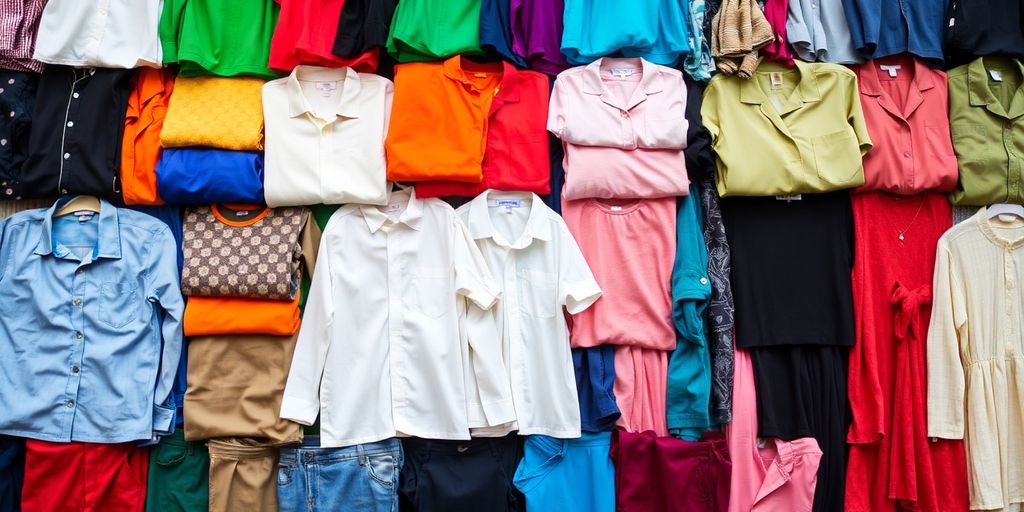
Clothing, at its core, is designed to serve different needs and occasions. We can broadly group apparel into a few major categories that help us understand their primary purpose and context. This classification is helpful for anyone looking to build a functional wardrobe or simply understand the clothing landscape better.
Casual Wear for Everyday Comfort
Casual wear is all about ease and everyday living. Think of the clothes you reach for on a relaxed weekend or for informal social gatherings. This category includes items like t-shirts, jeans, comfortable sweaters, and relaxed-fit trousers. The emphasis here is on comfort, practicality, and a laid-back aesthetic. Fabrics are often soft and breathable, allowing for freedom of movement throughout the day. While casual wear is generally informal, it can still be styled to look put-together for various everyday situations.
Formal Wear for Professional and Special Occasions
Formal wear, on the other hand, is reserved for occasions that call for a higher degree of polish and tradition. This includes attire for business meetings, weddings, ceremonies, and other significant events. Examples range from tailored suits, blazers, and dress shirts for men, to elegant dresses, skirts, and blouses for women. The construction of formal wear often involves more structured tailoring, finer fabrics, and a more refined finish. Wearing the correct formal attire shows respect for the occasion and the people you are with.
Ethnic Wear Reflecting Cultural Heritage
Ethnic wear represents clothing that is traditional to a specific culture or region. These garments are often rich in history, symbolism, and craftsmanship, reflecting the unique identity and heritage of a community. Examples include the saree and kurta in South Asia, the kimono in Japan, or the kilt in Scotland. The fabrics, patterns, and styles of ethnic wear can vary widely, often incorporating intricate embroidery, vibrant colors, and specific silhouettes passed down through generations. Understanding ethnic wear provides insight into cultural diversity and traditions. For instance, exploring different types of textile products can reveal the materials used in creating these culturally significant garments.
Functional and Performance Apparel
Beyond everyday wear and formal attire, a significant segment of clothing is designed with specific purposes in mind, focusing on utility, protection, and enhanced physical capability. This category, often termed functional or performance apparel, addresses the needs of individuals engaged in various activities, from athletic pursuits to demanding work environments.
Activewear for Movement and Exercise
Activewear, also known as sportswear, is clothing specifically designed for physical activities and exercise. It is characterized by its focus on flexibility, comfort, and the use of technical fabrics that manage moisture and allow for a wide range of motion. Items like leggings, sports bras, athletic shorts, and performance tops are engineered to support the wearer during workouts. These garments often utilize materials such as polyester, spandex, and nylon, chosen for their durability, stretch, and ability to wick sweat away from the body, keeping the wearer dry and comfortable. The design frequently incorporates features like ergonomic stitching and supportive structures to improve performance and reduce chafing.
Functional Clothing for Specific Needs
This subcategory encompasses garments created to serve particular functions beyond general wear or athletic activity. Examples include outdoor gear with weather-resistant properties, such as waterproof jackets or insulated layers designed for extreme temperatures. Specialized clothing might also include items with built-in UV protection, antimicrobial treatments for hygiene, or reflective elements for visibility in low-light conditions. The selection of clothing fabric is paramount here, directly influencing the garment’s performance and suitability for its intended use.
Workwear and Protective Garments
Workwear and protective garments are designed to ensure safety and efficiency in professional settings, particularly in industries with inherent risks. This includes items like durable overalls, reinforced trousers, high-visibility vests, and flame-resistant clothing. Protective footwear, such as steel-toed boots, is also a critical component. These garments are often constructed from robust materials and adhere to specific safety standards to shield the wearer from hazards like abrasions, chemicals, or extreme heat. The design prioritizes durability, safety features, and sometimes, specialized pockets or tool attachments for practicality on the job.
Classifying Garments by Construction
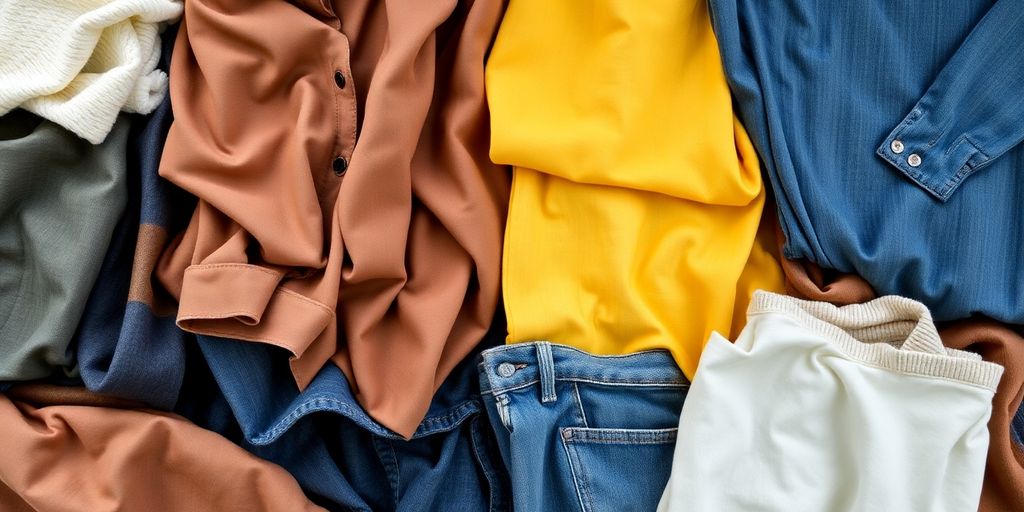
When we talk about clothing, it’s helpful to think about how individual pieces are put together. This is where classifying garments by their construction comes into play. It’s a way to group clothing based on its basic structure and how it covers the body. This method helps us understand the fundamental purpose and design of different apparel items.
Tops: Versatile Upper Body Coverings
Tops are garments designed to cover the upper part of the body. They come in an enormous variety of styles, from simple t-shirts to elaborate blouses. The construction of a top can range from basic cut-and-sew methods to more complex tailoring involving darts, pleats, and intricate seam work. Factors like sleeve length, neckline, and hemline significantly influence a top’s classification and its suitability for different occasions. For instance, a simple cotton knit top is typically casual, while a silk blouse with a sophisticated collar might be considered more formal.
Bottoms: Essential Lower Body Attire
Bottoms are garments that cover the lower part of the body, from the waist down. This category includes items like trousers, skirts, shorts, and leggings. The construction of bottoms often involves more complex pattern making to ensure a proper fit around the waist, hips, and legs. Key construction elements include waistbands, zippers, buttons, pockets, and the way the fabric drapes or falls. The length, width, and silhouette of bottoms, such as a-line skirts or straight-leg trousers, are all determined by their construction and contribute to their overall style and function. Understanding the construction of trousers helps in appreciating their design and comfort.
Dresses: Integrated Garments for Full Coverage
Dresses are unique in that they typically cover the upper body and extend downwards to cover the lower body, often in a single piece. Their construction can be incredibly varied, from simple shift dresses to intricately designed gowns. A dress’s construction involves integrating the bodice and skirt sections, often with features like waistlines, closures (zippers, buttons), and various sleeve and neckline designs. The way a dress is constructed dictates its silhouette, drape, and overall aesthetic, making it a versatile garment that can range from casual daywear to highly formal attire. The choice of fabric also plays a significant role in how a dress is constructed and how it presents itself.
The Influence of Style and Culture
Clothing is far more than just a covering; it’s a powerful form of communication, deeply intertwined with personal style and cultural identity. The way we dress often reflects our background, beliefs, and the societal norms we adhere to or challenge. Understanding these influences helps us appreciate the vast diversity in garment types and their significance.
Exploring Diverse Fashion Styles
Fashion styles are constantly evolving, shaped by historical periods, artistic movements, and subcultures. Each style offers a unique way to express oneself through clothing choices. Consider these examples:
- Bohemian Style: Characterized by a relaxed, carefree aesthetic, often featuring loose-fitting garments, natural fabrics, and eclectic patterns like floral or paisley. It draws inspiration from the 1960s and 70s, celebrating individuality.
- Streetwear: Originating from skate and hip-hop cultures, streetwear prioritizes comfort and urban aesthetics. It typically includes bold graphics, logos, and materials like cotton and denim, suitable for an active lifestyle.
- Editorial Style: This style is about making bold, creative statements, often seen on runways and in fashion magazines. It utilizes luxurious materials, unique textures, dramatic patterns, and unconventional silhouettes to capture attention.
Cultural Significance in Garment Choices
Culture plays a profound role in shaping clothing traditions and contemporary fashion. Different regions and communities develop distinct styles that carry historical and social meaning. For instance:
- Europe: Renowned for its influence on global fashion, Europe has a rich history of styles ranging from elegant historical attire to modern haute couture. Cities like Paris and Milan are recognized as global fashion capitals.
- North America: Clothing here reflects a blend of Native American traditions, European influences, and the African diaspora. Contemporary fashion embraces diversity and individual expression.
- South America: This region showcases a vibrant mix of indigenous cultures and modern design. Traditional garments often incorporate intricate craftsmanship and bright colors, with contemporary designers frequently using indigenous textiles.
- Oceania: Clothing traditions in Oceania often utilize natural materials like bark cloth and feathers, reflecting a connection to the environment. Modern styles frequently integrate indigenous designs and motifs.
These examples highlight how cultural heritage is preserved and expressed through clothing, adapting to contemporary influences while maintaining distinct identities. The choice of garment fabrics can also be deeply rooted in cultural practices and available resources.
The Evolution of Gender-Specific Apparel
Historically, clothing has often been used to signify gender roles and social status. However, fashion is increasingly moving towards a more fluid and inclusive approach. The concept of androgynous style, for example, challenges traditional gender norms by blending masculine and feminine elements, allowing for greater self-expression and a broader interpretation of personal identity through clothing.
Making Informed Wardrobe Decisions
Selecting Attire for Various Occasions
Making thoughtful choices about what to wear can simplify daily routines and boost confidence. Understanding the purpose and context of different garment types allows for more effective dressing. For instance, knowing that activewear is designed for movement and breathability, while formal wear prioritizes structure and polish, helps in selecting appropriate outfits for specific events. Consider the following breakdown when choosing your attire:
- Casual Wear: Ideal for everyday comfort and relaxed settings. Think t-shirts, jeans, and comfortable sweaters.
- Formal Wear: Suited for professional environments, ceremonies, and special events. This includes suits, dresses, and tailored separates.
- Activewear: Engineered for physical activity, focusing on flexibility and moisture-wicking properties. Examples include leggings, athletic tops, and shorts.
- Workwear: Garments designed for specific professions, often emphasizing durability and safety. This can range from uniforms to protective gear.
Building a Versatile and Practical Wardrobe
Creating a wardrobe that is both adaptable and functional involves strategic selection of clothing items. Focusing on versatile pieces that can be mixed and matched simplifies outfit creation and maximizes the utility of your clothing. Building a foundation of staple items, such as well-fitting trousers, classic shirts, and adaptable outerwear, provides a solid base. From there, incorporating pieces that align with your personal style and lifestyle needs allows for a more personalized and practical collection. Remember, a well-curated wardrobe is not about quantity, but about having the right items that serve multiple purposes.
The Role of Fabric in Garment Selection
Fabric plays a significant role in how a garment looks, feels, and performs. Different materials offer distinct characteristics that influence comfort, durability, and suitability for various occasions. For example, natural fibers like cotton and linen are breathable and comfortable for everyday wear, especially in warmer climates. Synthetic materials such as polyester and nylon are often used in activewear for their moisture-wicking and quick-drying properties. Understanding fabric composition, such as the benefits of Italian velvet upholstery fabric, can guide you in making informed decisions that align with both aesthetic preferences and functional requirements. The choice of fabric can dramatically alter the drape, texture, and overall impression of an outfit.
Picking out clothes can be tricky, but it doesn’t have to be a puzzle. Learn how to make smart choices for your closet that you’ll love. Ready to upgrade your style? Visit our website to discover amazing fabrics and get inspired!
Wrapping Up Our Look at Clothing Types
So, we’ve gone through a bunch of different clothing categories, from the comfy stuff we wear every day to the sharp outfits for important events, and even the gear made for getting active. It turns out, knowing these types isn’t just for fashion folks; it actually helps us all pick out what to wear. Thinking about what you’re doing, where you’re going, and what feels good can make a big difference in how you feel. It’s all about putting together a wardrobe that works for your life, making sure you’ve got the right pieces for whatever comes your way, whether that’s a big meeting or just a chill weekend.