
Selecting the right chenille sofa requires more than admiring its soft texture in a showroom. At Hnleading, we’ve supplied chenille upholstery fabric to furniture manufacturers globally, and we understand what makes the difference between a satisfying purchase and buyer’s regret. This guide walks you through the essential factors to evaluate when choosing your chenille sofa.
The chenille fabric market offers numerous options, each with different characteristics that affect performance and longevity. Making an informed choice means understanding these differences and matching them to your specific needs. We’ll help you navigate these decisions with practical, straightforward advice.
Whether you’re furnishing a new home or replacing an existing sofa, the selection process remains similar. By examining key factors systematically, you can find a chenille sofa fabric that delivers both the comfort and durability your household requires.
Check the Fiber Content First
The fiber composition determines most of chenille’s performance characteristics. Always ask for specific fiber content information before making your decision. Reputable retailers and manufacturers readily provide this data.
Polyester chenille offers the best combination of durability and easy care for most households. Look for 100% polyester or polyester-dominant blends if you need maximum stain resistance and longevity. These fabrics typically withstand 40,000+ double rubs in durability testing, far exceeding residential requirements. They also resist fading and maintain their appearance with minimal maintenance.
Cotton chenille provides a different set of benefits. The natural fibers breathe better and feel cooler in warm weather. However, cotton requires more careful maintenance and shows stains more readily. Cotton-polyester blends offer a middle ground – some natural fiber benefits with improved durability. Specialty fibers like rayon or acrylic sometimes appear in chenille blends, each adding specific characteristics like extra softness or improved shape retention.
Evaluate the Weave Quality
Quality chenille fabric shows consistent, tight construction when examined closely. Run your hand across the surface – it should feel uniformly plush without thin spots or loose areas. The pile should spring back when compressed, not remain flattened.
| Quality Indicator | What to Look For | Red Flags |
|---|---|---|
| Pile Density | Thick, full coverage | Visible backing fabric |
| Yarn Twist | Tight, consistent | Loose, unraveling edges |
| Surface Uniformity | Even texture throughout | Irregular patches |
| Edge Finishing | Clean, sealed edges | Fraying or loose threads |
Examine the fabric’s backing as well. Quality chenille uses sturdy backing material that supports the pile without adding excessive stiffness. The backing should feel substantial but still allow the fabric to drape naturally over cushion contours. Poor-quality backing often leads to premature wear and sagging.
Consider Your Lifestyle Needs
Your daily routine directly impacts which chenille sofa works best. Households with young children need maximum durability and stain resistance. Choose treated polyester chenille with protective coatings for these situations. The treatments don’t affect the fabric’s softness but provide crucial protection against spills and accidents.
Pet owners face specific challenges. Cat claws can snag chenille’s looped pile, while dog hair clings to the textured surface. If you have pets, select chenille with tighter, shorter pile that resists snagging. Some manufacturers offer “pet-friendly” chenille with modified construction for better claw resistance.
Consider your entertainment style too. Frequent hosts need sofas that handle regular use and occasional spills. Performance-treated chenille works well here. If your sofa mainly serves formal occasions with gentle use, you can prioritize aesthetics over maximum durability. Match the fabric choice to your actual lifestyle rather than aspirational use patterns.
Test Comfort and Feel
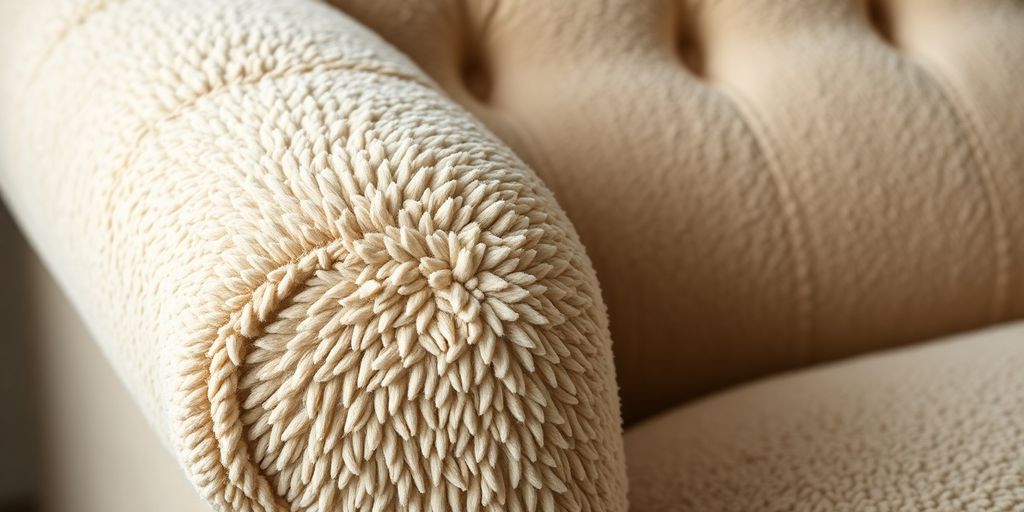
Chenille’s signature softness varies between different versions. Sit on several chenille sofas to experience the range of textures available. Some feel plush and sink-in soft, while others provide a firmer, more structured feel. Neither is inherently better – it depends on your comfort preferences.
Pay attention to how the fabric feels against bare skin. Quality chenille shouldn’t feel scratchy or irritating, even to sensitive individuals. The texture should invite touch rather than discourage it. If the fabric feels rough or uncomfortable in the showroom, it won’t improve with use.
Temperature perception matters too. Sit on the sofa for several minutes to assess how it feels temperature-wise. Good chenille maintains comfortable temperatures without making you feel too warm. This becomes particularly important for sofas used for extended periods like movie watching or afternoon naps. The fabric should enhance comfort, not detract from it.
Select Appropriate Colors
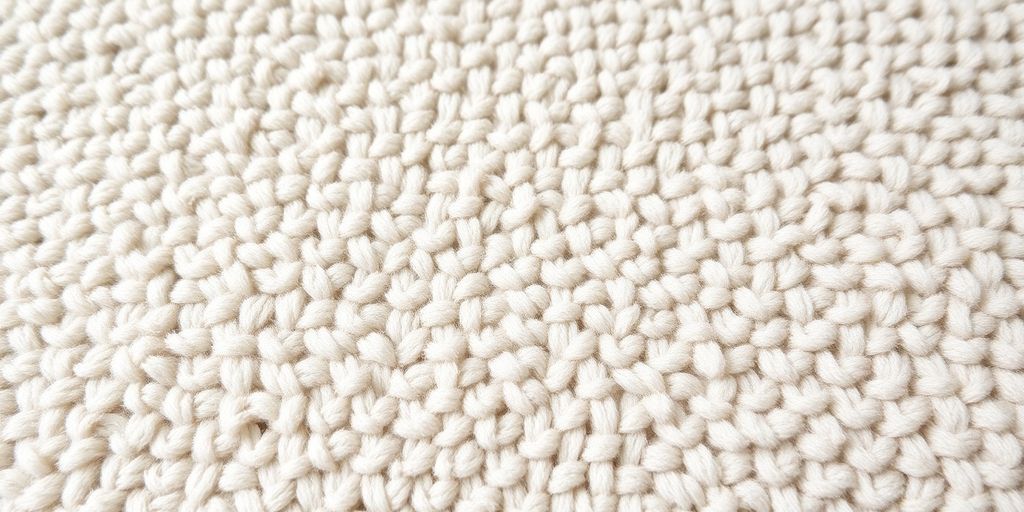
Chenille takes dye exceptionally well, offering rich color options. However, color choice affects more than aesthetics – it impacts maintenance and longevity too. Light colors show stains and dirt more readily, requiring frequent cleaning to maintain appearance. Dark colors hide minor soiling better but might show light-colored pet hair or lint.
Medium-toned neutrals offer the best practicality for most homes. Colors like:
- Warm gray
- Taupe
- Soft brown
- Muted blue
- Sage green
These shades hide minor soiling while coordinating with various decor styles. They also age gracefully, maintaining an attractive appearance even as the fabric naturally wears over time.
Consider your room’s lighting when selecting colors. Chenille’s textured surface creates subtle shadows that affect color perception. A shade that looks perfect under showroom lights might appear different in your home. Request fabric samples to evaluate colors in your actual living space before committing.
Understand Maintenance Requirements
Before purchasing, clearly understand what maintenance your chosen chenille requires. Ask specific questions about cleaning methods, frequency, and any special requirements. Some chenille fabrics need professional cleaning exclusively, while others handle home spot-cleaning well.
Daily maintenance typically involves:
- Light vacuuming with upholstery attachment
- Immediate blotting of spills
- Regular rotation of removable cushions
- Gentle brushing to maintain pile direction
Get written care instructions for your specific fabric. Manufacturers often void warranties if you use incorrect cleaning methods. Understanding these requirements beforehand prevents disappointment and helps maintain your sofa’s appearance. Factor maintenance time and cost into your decision – beautiful fabric that requires excessive care might not suit busy lifestyles.
Compare Construction Methods
Modern furniture offers various construction methods that affect how chenille performs. Removable cushion covers allow easier cleaning and replacement if needed. However, they must fit properly to avoid wrinkling or shifting during use. Fixed upholstery often looks neater but limits cleaning options.
Frame-to-fabric attachment methods matter too. Quality sofas secure chenille properly without visible staples or loose edges. The fabric should wrap smoothly around curves without puckering or stretching. Examine underneath and back areas – these often reveal construction quality better than visible surfaces.
“Industry data shows that sofas with properly constructed chenille upholstery last 40% longer than those with substandard construction methods.”
Ask about cushion fill compatibility with chenille. Some foam types create excessive friction against certain fabrics, accelerating wear. Quality manufacturers match cushion materials to upholstery fabrics for optimal performance.
Verify Quality Guarantees
Reputable chenille sofas come with meaningful warranties covering both fabric and construction. Read warranty terms carefully – some cover only manufacturing defects, while others include wear protection. Understand exactly what’s covered and for how long.
Look for these warranty elements:
- Fabric integrity (pilling, premature wear)
- Color fastness (fading, bleeding)
- Seam strength (splitting, unraveling)
- Cleaning damage (if following specified methods)
Some retailers offer additional protection plans. Evaluate these based on your household’s risk factors. Families with children or pets might benefit from extended coverage, while careful adults may find basic warranties sufficient. Remember that warranties only provide value if the company honors them reliably.
Making Your Final Selection
Choosing the right chenille sofa combines practical evaluation with personal preference. Start by listing your non-negotiable requirements – perhaps durability for a family room or elegant appearance for formal spaces. Use these criteria to narrow options before considering secondary factors.
Visit multiple retailers to compare quality levels and prices. Touch fabrics, sit on sofas, and ask detailed questions. Don’t rush this decision – a sofa represents a significant investment used daily for years. Taking time upfront prevents costly mistakes.
Trust your instincts alongside technical evaluations. If a sofa meets all practical requirements but doesn’t feel right, keep looking. The perfect chenille sofa balances objective quality measures with subjective appeal. When you find that combination, you’ll enjoy your purchase for years to come.
Remember that quality chenille from established manufacturers like those we supply provides excellent value. By following these selection guidelines, you’ll find a chenille sofa that enhances your living space while meeting your practical needs.