
Defining What Is Upholstery Lining Fabric?
Historical Development Of Lining Textiles
Lining fabrics have been around for ages, way before our modern furniture. Think about it: even ancient civilizations used basic forms of fabric to protect and add comfort to their seating. Over time, these evolved from simple cloths to more specialized materials. The use of upholstery fabric really took off as furniture design became more elaborate, and people wanted to keep their nice furniture in good shape. It’s interesting to see how the history of lining textiles mirrors the history of furniture itself.
Core Physical And Chemical Characteristics
So, what makes a good lining fabric? It’s all about the right mix of properties. You want something that’s strong enough to handle wear and tear, but also flexible enough to work with different furniture shapes. Chemically, it needs to be stable, meaning it shouldn’t react badly to adhesives or cleaning products. Here’s a quick rundown:
- Tensile Strength: How much it can stretch before breaking.
- Tear Resistance: How easily it tears.
- Chemical Inertness: How well it resists reactions with other substances.
- Breathability: How well it allows air to pass through.
Distinction From Primary Upholstery Materials
Okay, let’s clear up the difference. The main upholstery fabric is what you see and feel – it’s the star of the show. Lining fabric, on the other hand, is the unsung hero underneath. It’s there to protect the main fabric, add structure, and improve comfort. Think of it like this: the primary upholstery is the outfit, and the lining is the undershirt. While the main fabric focuses on looks and feel, the lining textiles are all about function and support.
Exploring The Material Composition Of Lining Fabrics
Lining fabrics might seem simple, but what they’re made of really impacts how they perform. It’s not just about slapping any old cloth in there; the material choice affects durability, comfort, and even the overall look of the finished piece. Let’s break down what goes into these unsung heroes of upholstery.
Natural Fiber Versus Synthetic Options
When it comes to lining fabrics, you’ve basically got two camps: natural and synthetic. Natural fibers like cotton, linen, and even wool offer breathability and a nice feel. Cotton is a popular choice because it’s affordable and easy to work with. Linen brings durability to the table, while wool can add a bit of extra insulation. On the flip side, synthetics such as polyester and nylon are known for their strength and resistance to wear and tear. Polyester is a workhorse, often chosen for its ability to withstand moisture and resist wrinkles. These materials are generally more budget-friendly than natural options, making them a go-to for many projects. The choice really boils down to balancing cost, performance needs, and the desired feel of the final product. For example, you might choose natural linen woven for breathability.
Influence Of Weave Structures On Performance
The way a fabric is woven or knitted plays a huge role in its performance as a lining. A tightly woven fabric will be more durable and less likely to stretch out of shape, providing better support and structure to the upholstery. Think of a closely woven cotton or polyester – these hold up well against abrasion and everyday use. On the other hand, a looser weave might offer better breathability, but it won’t be as strong. Knitted fabrics, while comfortable, can sometimes stretch too much, which isn’t ideal for a lining that needs to maintain its shape. The weave affects everything from how the fabric drapes to how well it resists tearing, so it’s a key factor to consider. Here’s a quick look at how different weaves stack up:
| Weave Type | Characteristics | Performance Impact |
|---|---|---|
| Tight Weave | Durable, less stretch | Good support, resists wear |
| Loose Weave | Breathable, more stretch | Less support, more prone to tearing |
| Knit | Comfortable, high stretch | Can lose shape, less durable |
Application Of Coatings And Flame-Retardant Treatments
To boost the performance of lining fabrics, coatings and treatments are often applied. Flame-retardant treatments are a big deal, especially in commercial settings, as they help to slow down the spread of fire. Moisture-resistant coatings can protect the lining from spills and stains, extending its lifespan. Antimicrobial treatments are also used to prevent the growth of mold and bacteria, which is great for furniture that sees a lot of use. These treatments can add cost, but they also add value by improving the fabric’s durability, safety, and hygiene. Choosing the right treatment depends on the specific needs of the upholstery project. For example, CASA Bronzed sofa fabric might benefit from a stain-resistant coating.
Functions And Advantages Of Upholstery Lining Fabric
Structural Reinforcement And Shape Retention
Upholstery lining fabric plays a bigger role than you might think. It’s not just about looks; it’s about keeping your furniture in shape. Think of it as the unsung hero that provides extra support, preventing the outer fabric from stretching out or sagging over time. This is especially important for furniture that sees a lot of use. A good lining helps maintain the furniture’s original form, so your favorite armchair doesn’t end up looking like a deflated balloon after a few years. It’s like giving your furniture a strong foundation.
Moisture Management And Breathability
Ever wonder why some furniture feels stuffy while others stay fresh? A lot of it comes down to moisture management. Upholstery lining fabrics can be designed to allow air to circulate, preventing moisture buildup that can lead to mold, mildew, and unpleasant odors. Breathable linings help wick away moisture, keeping the furniture comfortable, especially in humid climates. It’s like having a built-in ventilation system for your sofa. This is particularly important for furniture made with natural fibers, which can be more susceptible to moisture damage. Nobody wants a moldy couch, right?
Acoustic Insulation And Thermal Regulation
Okay, this might sound a bit out there, but upholstery lining can actually help with sound and temperature. Certain types of lining fabrics can absorb sound waves, reducing noise levels in a room. This is especially useful in apartments or homes with hard floors where sound tends to bounce around. Additionally, some linings can provide a layer of thermal insulation, helping to keep furniture cooler in the summer and warmer in the winter. It’s not going to replace your HVAC system, but it can make a noticeable difference in comfort. Think of it as a cozy blanket for your furniture, but one that also helps keep the noise down. It’s a small detail that can make a big impact on the overall feel of a room.
Applications In Furniture And Interior Architecture
Residential Seating And Decorative Upholstery
When you think about where upholstery lining fabric really shines, residential seating is a big one. We’re talking sofas, armchairs, dining chairs – anything that’s got fabric on it. The lining does a lot more than you might think. It helps the furniture keep its shape, so cushions don’t sag and the whole thing looks better for longer. Plus, it adds a layer of protection to the upholstery fabric itself, which is super important if you’ve got kids or pets. Decorative upholstery, like headboards or throw pillows, also benefits. It gives them a smoother, more professional finish. Basically, it’s the unsung hero of comfy furniture.
Commercial And Hospitality Environments
Commercial spaces like offices, hotels, and restaurants put furniture through the wringer. Think about how many people sit on those chairs every day! That’s where upholstery lining fabric becomes absolutely essential. It adds durability, so the furniture can withstand heavy use. It also helps with cleaning – spills are way easier to deal with when there’s a good lining. Plus, in places like theaters or conference rooms, some linings can even help with sound absorption, making the space quieter. It’s all about making the furniture last longer and look better, even with constant use. Here’s a quick look at why it matters:
- Durability: Extends the life of furniture.
- Cleanliness: Easier to maintain and clean.
- Aesthetics: Keeps furniture looking presentable.
Specialized Use In Automotive And Marine Interiors
Cars and boats? They need upholstery lining too, but with some extra considerations. In cars, the lining has to deal with temperature changes, sunlight, and all sorts of wear and tear. It needs to be tough and resistant to fading. In boats, moisture is the big enemy. The lining has to be water-resistant and prevent mold and mildew. It’s a whole different ballgame compared to your living room sofa. The right lining can really make a difference in how long the clothing materials last and how comfortable they are. Choosing the right materials is key for these specialized environments.
Selecting The Appropriate Lining Fabric For Specific Requirements
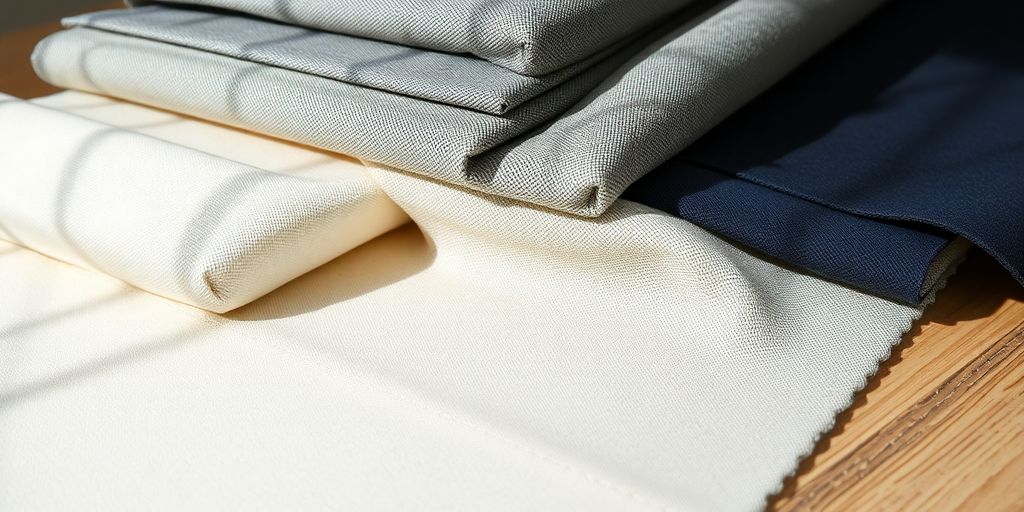
Okay, so you’re at the point where you need to pick a lining fabric. It’s not as simple as grabbing whatever’s cheapest. You really need to think about what you need the lining to do. Is it for a delicate antique chair? A heavy-duty sofa in a busy office? The right choice makes all the difference.
Assessing Durability And Abrasion Resistance
First things first: how tough does this lining need to be? If it’s going under a frequently used sofa and upholstery fabrics, you’ll want something that can handle some friction. Think about the Martindale test – it measures how well a fabric resists abrasion. A higher number means it’s more durable. For lighter use, like decorative pillows, you can get away with something less robust. But for anything that’s going to see regular wear and tear, don’t skimp on durability. Abrasion resistance is key to longevity.
Evaluating Environmental And Health Considerations
We’re all a bit more aware of what we’re bringing into our homes these days, right? So, think about the environmental impact of your lining choice. Natural fibers like cotton or linen are generally more sustainable than synthetics, but they might not be as durable. Also, consider any potential health concerns. Some people are sensitive to certain chemicals used in fabric treatments, so look for OEKO-TEX certified fabrics to minimize exposure to harmful substances. It’s about finding a balance between performance, sustainability, and your own well-being.
Balancing Material Cost With Projected Longevity
Alright, let’s talk money. Lining fabrics can range from super cheap to surprisingly expensive. It’s tempting to go for the budget option, but remember the old saying: you get what you pay for. A cheap lining might save you money upfront, but if it wears out quickly, you’ll be replacing it sooner than you think. Consider the long-term cost. A more expensive, durable lining might actually be cheaper in the long run because it will last longer. Think about the overall lifespan of the upholstered piece and choose a lining that will hold up for the ride. Sometimes, spending a little more upfront is the smarter move.
Installation Methodologies And Best Practices
So, you’ve picked out your upholstery lining fabric and you’re ready to get it installed. Don’t rush! Proper installation is key to making sure your upholstery looks great and lasts. Here’s what you need to know.
Pre-installation Preparation Of Substrates
Before you even think about touching that lining, prep your surface. This means:
- Cleaning: Get rid of any dust, dirt, or old adhesive. A vacuum and a damp cloth usually do the trick.
- Repairing: Fix any damage to the frame or existing upholstery. Loose joints? Tighten them. Tears in the old fabric? Patch them up.
- Smoothing: Make sure the surface is as smooth as possible. Any bumps or lumps will show through the lining. Sanding might be necessary.
Techniques For Tensioning And Securing Linings
Tensioning and securing the lining is where the magic happens. Here’s how to do it right:
- Start with Staples: Use a staple gun to attach the lining to the frame. Start in the center of each side and work your way outwards.
- Pull it Tight: Keep the lining taut as you staple. You want it smooth, but not so tight that it distorts the shape of the furniture.
- Use Adhesive (Maybe): For tricky areas, like curves or corners, a spray adhesive can help hold the lining in place while you staple.
Quality Control And Post-installation Inspection
Don’t just slap the lining on and call it a day. Take a minute to check your work:
- Look for Wrinkles: Smooth out any wrinkles or bubbles. If necessary, remove the staples and re-tension the fabric.
- Check the Seams: Make sure the seams are straight and secure. No loose threads allowed!
- Trim the Excess: Carefully trim away any excess lining fabric. Leave a little extra, just in case you need to make adjustments later. Proper trimming ensures a clean, professional finish.
If everything looks good, congratulations! You’ve successfully installed your upholstery lining. Now, sit back and admire your handiwork.
Maintenance Strategies And Longevity Optimization
Taking care of your upholstery lining isn’t just about keeping it clean; it’s about making sure it lasts as long as possible. Think of it as preventative medicine for your furniture. A little effort now can save you a lot of headaches (and money) later. Let’s get into the nitty-gritty of how to keep those linings in tip-top shape.
Routine Cleaning Protocols For Linings
First things first: regular cleaning. But what does that even mean for upholstery lining? Well, it depends on the material. For most linings, a gentle vacuuming every few weeks is a good start. This gets rid of dust and debris that can grind into the fibers and cause wear over time. If you’ve got a stain, act fast! Blot it up with a clean cloth—don’t rub!—and then use a mild soap solution. Always test the solution on a hidden area first to make sure it doesn’t discolor the fabric. For more delicate materials, like silk or certain synthetics, professional cleaning is the way to go. It’s worth the investment to avoid ruining the upholstery lining.
Repair And Reinforcement Techniques
Even with the best care, things can still go wrong. A small tear or a loose seam can quickly turn into a bigger problem if you don’t address it. For minor repairs, a needle and thread can work wonders. Use a thread that matches the color of the lining and carefully stitch the tear closed. If the damage is more extensive, consider reinforcing the area with a patch of similar fabric. For areas that get a lot of stress, like around zippers or buttons, you might want to add some extra stitching to prevent future problems. Knowing some basic sewing skills can really extend the life of your upholstery. Also, consider the benefits of fabrics dyed with low-impact dyes for a sustainable choice.
Predicting Service Life Under Variable Conditions
Okay, so how long can you expect your upholstery lining to last? That’s the million-dollar question, and the answer is… it depends. A lot of factors come into play, like the type of fabric, how much use it gets, and the environment it’s in. For example, if your furniture is in a sunny room, the lining might fade or degrade faster than if it’s in a darker room. Humidity can also affect certain fabrics, causing them to mildew or rot. Generally, a well-maintained lining should last for several years, but it’s important to keep an eye on it and address any issues as soon as they arise. Regular inspections can help you spot potential problems before they become major headaches. Choosing durable synthetic blends can also extend the life of your furniture. Here’s a quick guide:
| Factor | Impact on Service Life | Mitigation Strategies |
|---|---|---|
| Sunlight Exposure | Decreases | Use curtains or blinds; apply UV-resistant treatments |
| Humidity | Decreases | Use dehumidifiers; ensure good ventilation |
| Usage Frequency | Decreases | Rotate cushions; reinforce high-stress areas |
| Cleaning Practices | Increases/Decreases | Follow manufacturer’s instructions; avoid harsh chemicals |
By understanding these factors and taking proactive steps, you can significantly extend the life of your upholstery lining and keep your furniture looking great for years to come. Remember, a little care goes a long way!
Good maintenance can keep your gear working well for years. Try simple steps like wiping parts clean and tightening screws. Little checks now save big headaches later. Ready to boost your gear’s life? Visit our website today!
## Conclusion
At this point, it’s clear that upholstery lining fabric plays a vital role beyond mere backing. It reinforces the structure, guards against wear, and helps control moisture. We reviewed several lining options, from breathable cotton to sturdy polyester and natural jute. Each type brings its own strengths, whether you need extra support for a sofa or added insulation for a vehicle seat. With these basics in mind, you can pick a lining that fits your project and your budget. Thoughtful selection today means furniture that stays comfy and durable tomorrow.